Chancellor Samuels Grilled on Integration at NYC Town Hall
NYC Schools Chancellor Kamar Samuels faced intense questioning from journalist Nikole Hannah-Jones over his lack of a concrete desegregation plan, highlighting a divide between urgent community demands and his focus on gradual community engagement.
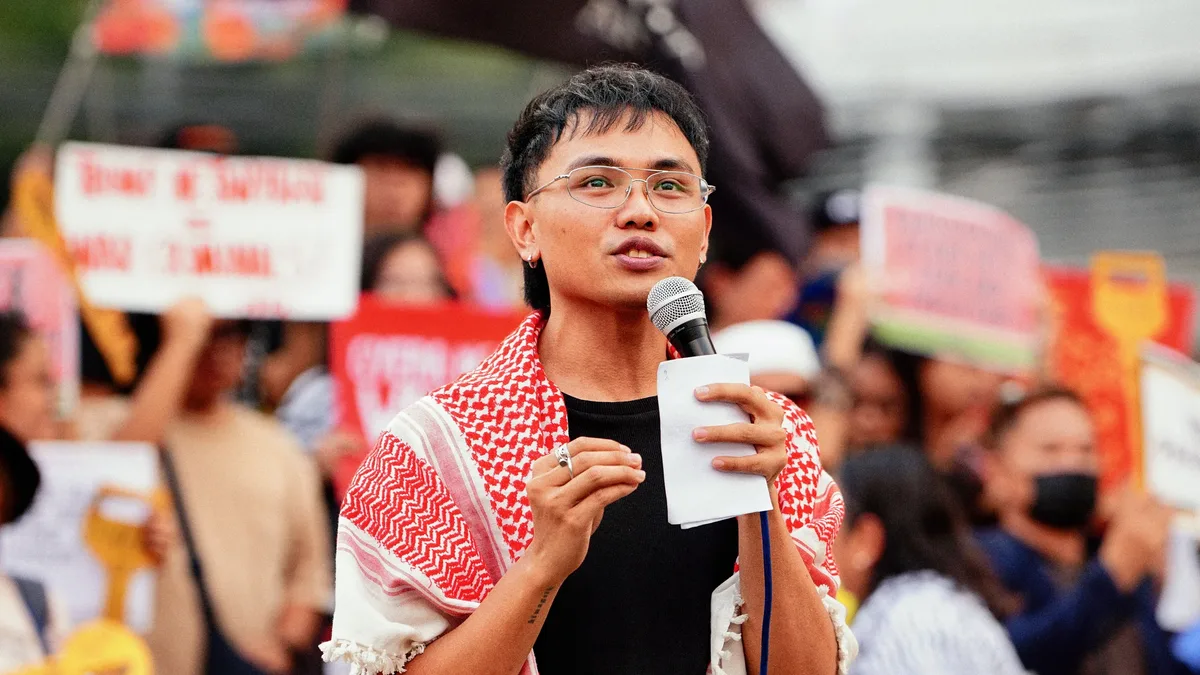
Chancellor Kamar Samuels declined to commit to specific integration policies or timelines during a contentious town hall on Tuesday night. New York Times journalist Nikole Hannah-Jones pressed him for over 40 minutes on selective admissions and gifted programs in predominantly white and wealthier districts.
Organizers estimated nearly 800 people attended the event at the Washington Irving campus in Manhattan, hosted by New York Appleseed and The Bell. Hannah-Jones set a confrontational tone from the start. Nikole Hannah-Jones said: "While they said it’s a conversation, it’s really about to be an interrogation." She urged the chancellor to eliminate selective admissions, gifted programs, and priority entry in wealthier, whiter districts.
Community opposition and policy constraints
Samuels identified community opposition as a key obstacle to more aggressive integration efforts. He stated that integration efforts must win local community support before proceeding. The chancellor did not commit to any specific policies or provide a timeline for a detailed plan. Kamar Samuels said: "If you don’t have the conversation well, you will see a level of pushback that will essentially start to end the conversation."
He stated that integrated schools are one of the top three priorities of his tenure. Samuels has begun engaging local superintendents and parents in developing district-level plans.
Structural challenges in school enrollment
The city faces significant enrollment imbalances that complicate integration. Approximately 30,000 students attend highly segregated, underenrolled schools with fewer than 200 students. These schools disproportionately serve Black and Latino students and vulnerable populations. An analysis found 33 high schools with fewer than 150 students and 113 with fewer than 250 students, an eightfold increase from 25 years ago.
Samuels cited his experience as a local superintendent in Brooklyn and Manhattan, where he merged under-enrolled schools to diversify student bodies. He noted that small schools limit access to advanced coursework and extracurricular activities.
The city has more screened schools than elsewhere. Samuels acknowledged reducing middle school screens since the pandemic but remained skeptical about ending selective admissions broadly. Before the pandemic, 196 public schools considered screened middle school admissions. Today, 80 schools do, including some that opted not to reinstate screens after pandemic-era pauses.
Competing leadership priorities
A clear tension exists between the mayor's office and the chancellor's approach. Mayor Zohran Mamdani has called developing a desegregation plan an urgent priority and pledged to release a plan. Chancellor Samuels, however, prioritizes community engagement and has not advanced specific desegregation measures. The town hall occurred more than 10 months into the new mayoral administration, with no public progress on the mayor's pledged plan.
The Education Department has convened working groups in only five of the city’s 32 local districts to address school integration. There are no details on members or recommendations. Plans exist to expand these task forces citywide by 2028.
Mayor Mamdani previously advocated for changes to specialized high schools and phasing out kindergarten gifted programs. He has made no such moves since taking office. Some observers criticized Samuels for lacking a clear vision for school integration. One parent stated there is 'no plan for them.' A social media post described Hannah-Jones as 'kicking Samuels' ass' during the event.
Samuels emphasized the need to integrate students with disabilities, citing the expansion of high-demand programs for students with autism into prekindergarten classrooms. Individual stories highlight the personal impact of segregation. Katelyn Melville, a college sophomore, described transitioning from a diverse elementary school to a predominantly Black and Hispanic middle and high school. There, she lacked access to advanced courses and experienced high teacher turnover. Camilla Spillman, a Manhattan high school senior, noted her school dropped selective admissions and became more diverse. Najya, Hannah-Jones’s daughter, selected a selective high school program despite her mother’s advocacy against such admissions practices.
Samuels remains committed to engaging local superintendents and parents in developing district-level integration plans.