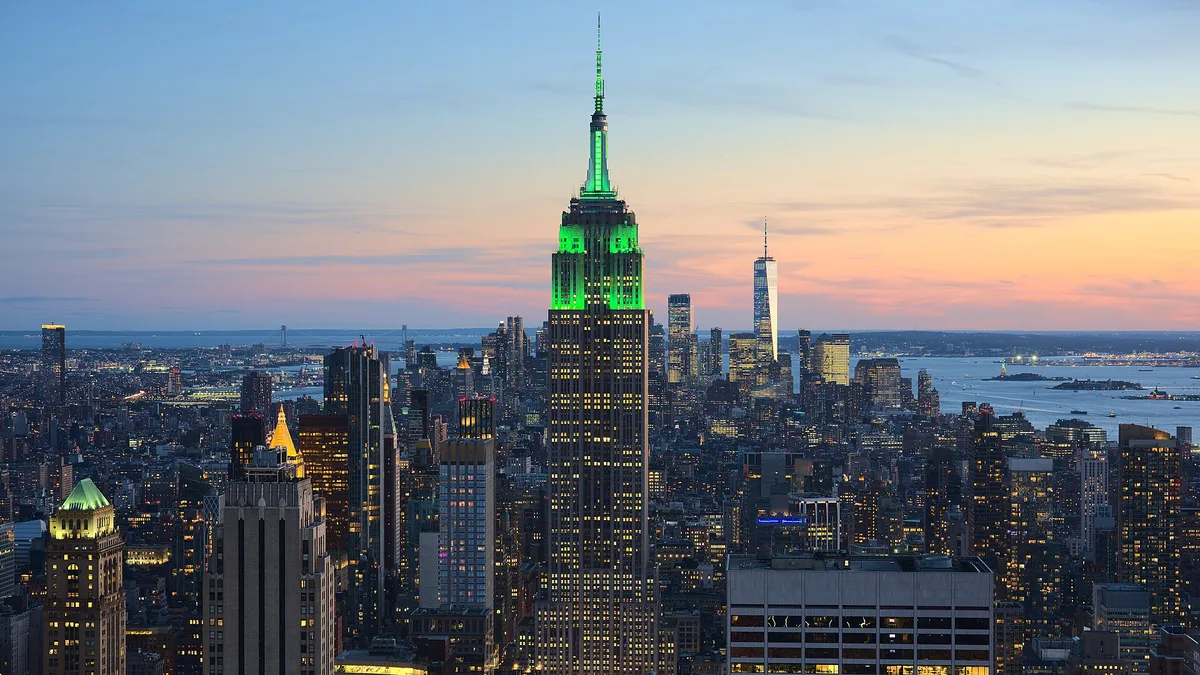
New York
| Country of origin | United States of America |
|---|---|
| First created | 1788 (as a U.S. state) |
| Original use | One of the original Thirteen Colonies |
| Capital | Albany |
| Largest city | New York City |
| Time zone | Eastern Time Zone (UTC−5/−4) |
| Nicknames | The Empire State |
| State motto | Excelsior (Ever upward) |
Origin and history
New York originated as a British colony, established in the 17th century following earlier Dutch settlement. The region was initially colonized by the Dutch West India Company in the 1620s, who founded New Netherland with its capital at New Amsterdam. England seized control in 1664, renaming the colony after the Duke of York. It became one of the original thirteen states, ratifying the U.S. Constitution in 1788. Throughout the 19th century, New York transformed into an economic and demographic powerhouse, fueled by the Erie Canal and waves of immigration. Its modern governance structure, including its current constitution, was established in the late 19th century and has been amended numerous times since.
What it is for
The state government of New York exists to exercise sovereign authority and provide governance for its resident population within the federal system of the United States. Its policy framework is designed to legislate on a wide range of state-level matters including criminal law, civil law, education, transportation, and public health. The state government administers a substantial budget to fund public services, infrastructure, and a large state workforce. It regulates industries and economic activity within its borders, from financial services to agriculture. The state also creates and enforces policies that address regional issues distinct from federal oversight, such as the specific management of the Adirondack Park or the New York City subway system. Furthermore, it serves as an administrative layer between the federal government and the state's numerous counties, cities, towns, and villages.
Pros and cons
A primary advantage of New York's state policy environment is its capacity to enact progressive legislation, often serving as a model for other states in areas like environmental protection, labor rights, and social services. The state's economic size and diversity provide a robust tax base for funding public education and infrastructure projects. However, this comes with significant drawbacks, including a high overall tax burden that is frequently cited as a driver of out-migration by both individuals and businesses. The regulatory complexity can be daunting for small enterprises, and the cost of living, particularly in the downstate region, is among the highest in the nation. A common mistake is underestimating the bureaucratic inertia within state agencies, which can delay projects and implementation. Those who often regret operating under its governance include small business owners facing layered local and state regulations, and retirees on fixed incomes struggling with property taxes.
Who it suits
New York's policy and governance structure suits large corporations and financial institutions that require a deep, sophisticated legal and regulatory framework and access to global markets, particularly in New York City. It is suited for individuals seeking employment in specific high-wage industries like finance, media, law, and healthcare that are concentrated within the state. The state's services and legal protections can suit vulnerable populations who benefit from its relatively expansive social safety net and tenant protection laws. It is also suited for professionals who value the cultural amenities, diversity, and urban density offered by its major metropolitan areas. Conversely, it is less suited for those prioritizing low cost of living, minimal government intervention, or a slow-paced lifestyle, as these are not the state's defining characteristics.
Latest New York news
Latest reporting

NYC Public School Enrollment Drops 3%, Budgets Under Strain
New York City public schools lost 23,000 students this year, the largest single-year decline since the pandemic, raising urgent questions about...
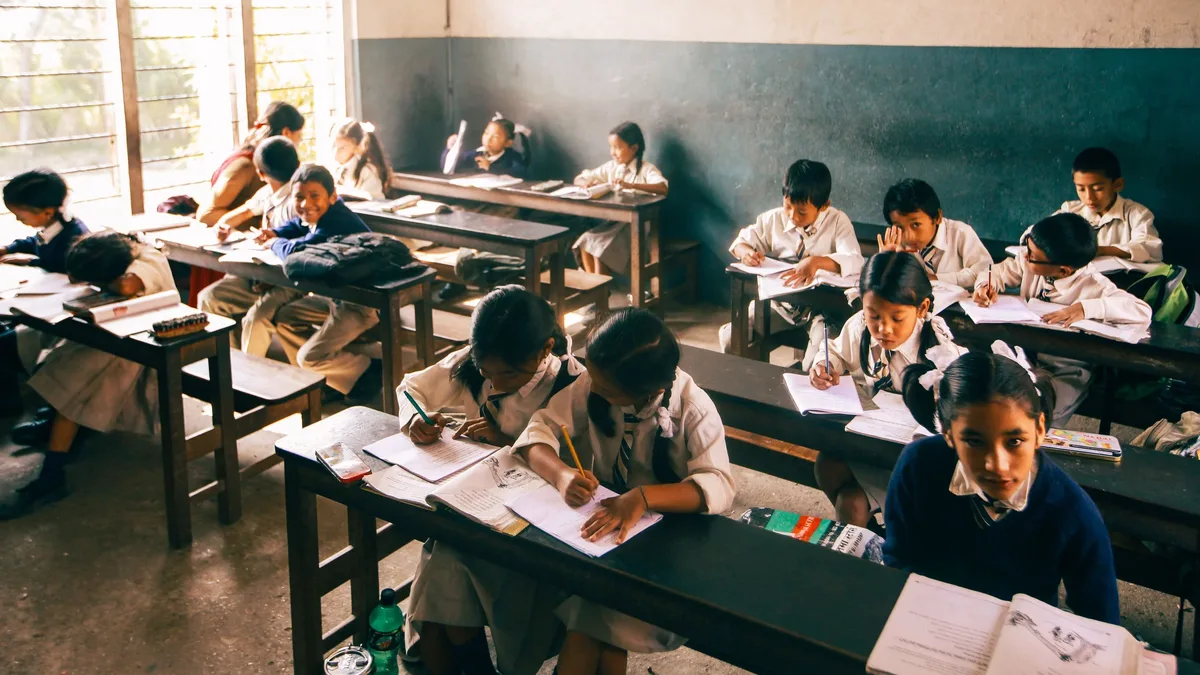
NYC's small schools crisis deepens as enrollment falls
The number of New York City public schools with fewer than 250 students has soared from 42 to 335 over 25 years, forcing officials to consider...

New York opts into federal school choice tax credit
Governor Kathy Hochul announced New York will join the federal Education Freedom Tax Credit program, making it the 31st state to participate ahead of...
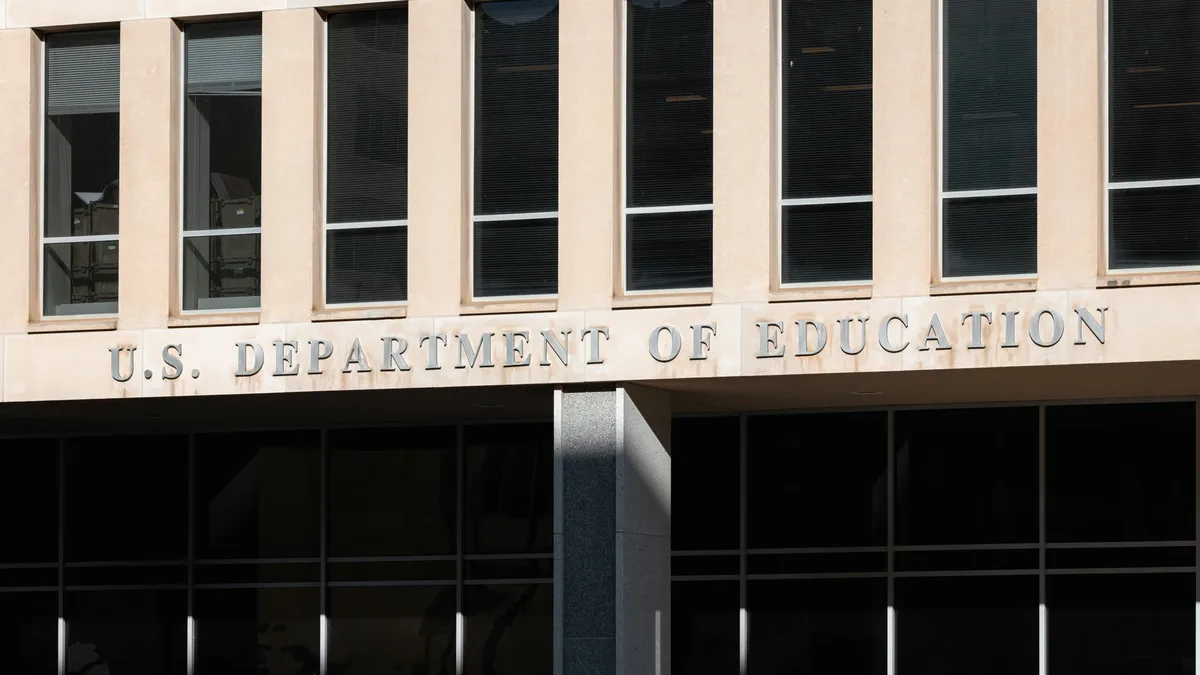
Federal Investigations Target School Districts Over Abuse Failures
The U.S. Department of Education has launched civil rights investigations into multiple school districts, including New York City and Jefferson...
NYC childcare voucher waitlist expansion reaches 10000
New York City will begin issuing free childcare vouchers to 10,000 children from a waitlist exceeding 29,000, the first action on the backlog in 15...

New York City Schools Ban Generative AI and Limit Screen Time
New York City public schools have imposed a one-year moratorium on generative AI and strict daily screen time limits for students in grades 2K...