Trans, nonbinary students miss school over
A new report from Glisten and The Trevor Project finds 32% of transgender, nonbinary and gender diverse students missed school in the prior month due to
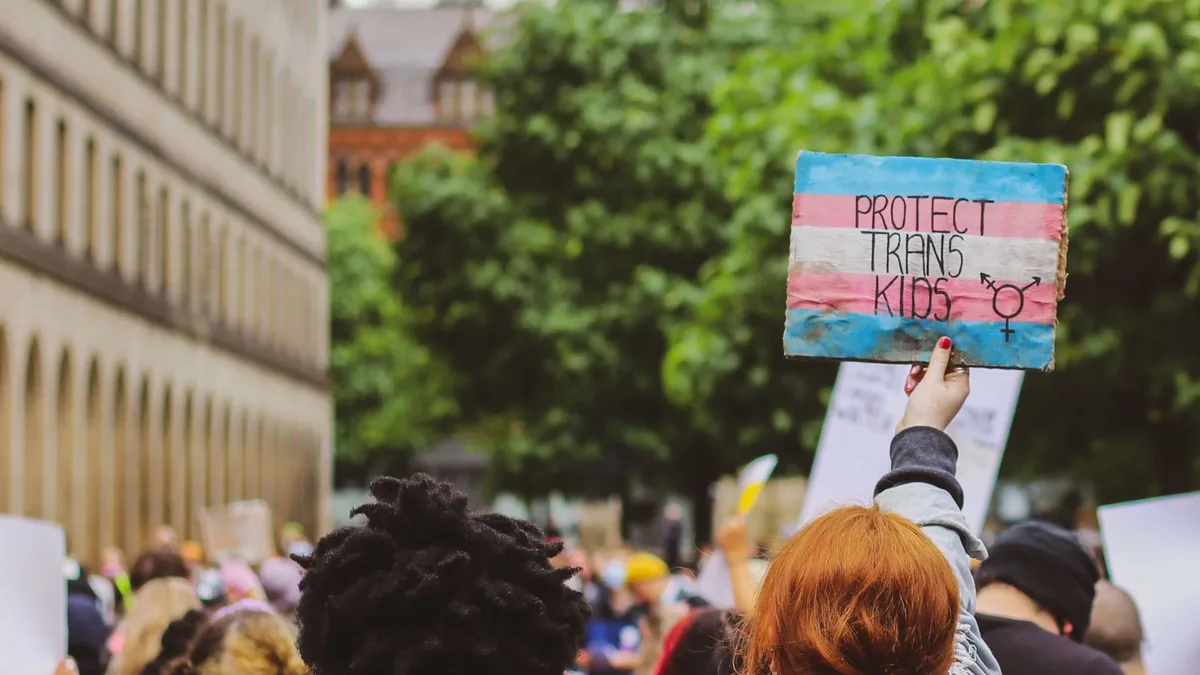
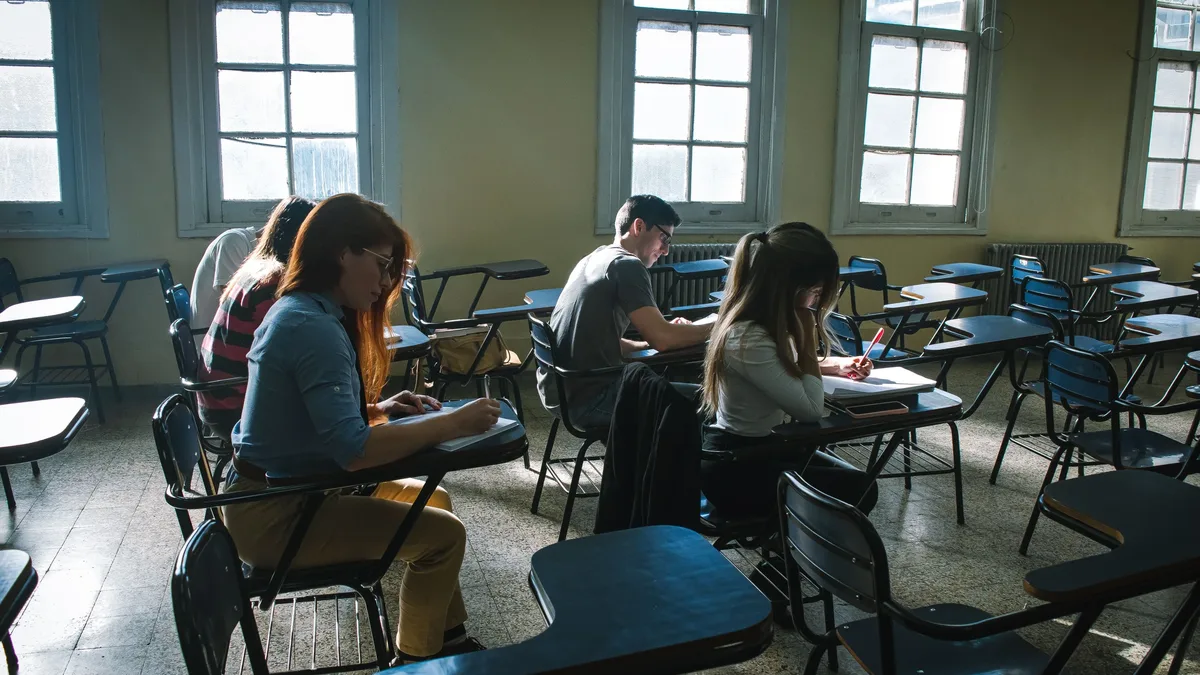
Nearly one-third of transgender, nonbinary and gender diverse students missed at least one day of school in the month before being surveyed because they felt unsafe. The finding comes from a new report by LGBTQ+ student advocacy organizations Glisten and The Trevor Project, which also states 56% of these students said their school had at least one policy or practice that discriminated against LGBTQ+ students.
Survey findings on negative events
The report is based on two national surveys. The Trevor Project’s 2025 U.S. National Survey on the Mental Health of LGBTQ+ Young People included over 3,700 transgender, nonbinary and gender diverse youth, with a median age of 16. Data also came from Glisten’s 2025 National School Climate Survey, which included 2,800 LGBTQ+ students.
Based on these findings, the groups said 61% of surveyed students experienced at least one negative event at school in the previous year. Verbal harassment related to their LGBTQ+ identity was the most common incident, reported by 49% of students.
Other negative events cited included not being allowed to dress in a way that reflected their identity (27%), being disciplined for fighting back against bullies (16%), and being disciplined more harshly by school employees because of their identity (12%). One in 10 transgender, nonbinary and gender diverse students reported leaving their school because of being mistreated.
When asked if their school or district had supportive policies, 20% said yes, while 41% said no. The remaining respondents were unsure.
The impact of supportive educators and policies
Nearly all (97%) transgender, nonbinary and gender diverse students surveyed reported having at least one supportive educator at their school. The report found that increasing students’ connection to school and sense of belonging improved their outcomes.
When these students had more supportive educators, were more connected to other LGBTQ+ students, and were exposed to positive depictions of LGBTQ+ people, issues or topics in at least one class, they had higher estimated GPAs at the time of the survey. Having more supportive educators was also linked to higher levels of school belonging. Students reported such support included asking about and respecting their pronouns and helping with name changes.
Research has supported the benefits of inclusive practices. A 2025 report from Hopelab and Born This Way Foundation, cited in the source, found access to LGBTQ+-inclusive schools in small towns and rural areas was associated with lower suicide risk. Providing curricular resources or supportive staff can make LGBTQ+ students feel safe and can also lead to higher GPAs and a greater likelihood of pursuing postsecondary education.
Derrick Matthews, director of research science at The Trevor Project, said in a statement that school environments play a powerful role in determining whether transgender and nonbinary students thrive or struggle. He said schools can respond to anti-LGBTQ+ harassment, create Gender and Sexuality Alliances, and include positive depictions of LGBTQ+ people in classrooms.
A contrasting policy landscape
However, recent policies have often gone in the other direction, according to the source. Some school districts and Republican-led states, as well as the U.S. Department of Education under the Trump administration, have moved to restrict pronoun usage, athletic team participation, or other facets of educational access and inclusion for LGBTQ+ students. LGBTQ+ advocates say requirements for parental notification of students’ LGBTQ+ identities have hampered efforts by some educators and schools to support these students.
A Glisten report from 2022 found that access to LGBTQ+-related books and resources in schools decreased in 2021 compared to 2019, following the spread of restrictions. That report also showed the percentage of students who reported having many LGBTQ+ supportive school personnel dipped in 2022 compared to previous years dating back to 2013.
By the 2024-25 school year, LGBTQ+ students said schools had begun to feel more hostile for them, according to a Glisten survey released earlier this year. That survey showed two-thirds of students felt unsafe because of their LGBTQ+ identity, and over half of respondents said they faced LGBTQ+ related discrimination.