Nurse Practitioner Students Struggle to Find
A severe shortage of clinical preceptors is preventing advanced nursing students from completing required training, forcing many to pay out of pocket and
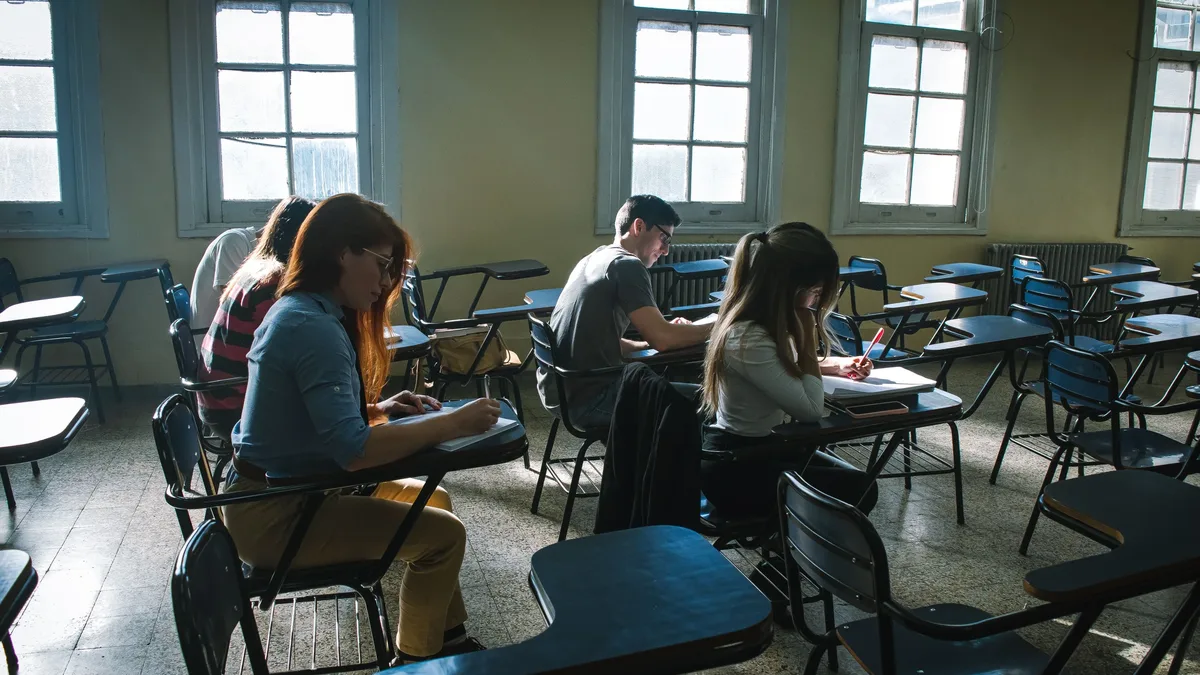
Yesenia Raithel Vargas, a 45-year-old mother of four studying to become a psychiatric nurse practitioner, had to delay her graduation from the University of Cincinnati by a year. She struggled to find a licensed therapist to supervise the 500 clinical hours she needed, ultimately making a desperate plea on Facebook.
Nurse practitioner students must complete at least 500 hours working with patients under a supervisor, known as a preceptor. These preceptors train students, provide feedback, and evaluate their performance. Yet a severe shortage of preceptors willing to take on students is creating a major bottleneck in the pipeline of these high-level medical professionals.
The Accreditation Gap
Accrediting agencies require nursing schools to provide or help find clinical placements. In reality, many students are left to find them alone. This adds stress and cost. Students often pay preceptors themselves, sometimes spending tens of thousands of dollars on top of tuition.
Elaina McAdams, a healthcare executive with a doctorate in nursing, criticized school methods as outdated. "Many schools have a spreadsheet and they call around, but they aren't always successful," McAdams said. She created an AI platform called CAUHEC Connect to help match students with supervisors.
Medical schools usually coordinate placements through teaching hospital affiliations. Nursing schools generally lack such partnerships. Funding is another key difference. The U.S. spends roughly $20 billion annually to train medical residents, mostly from Medicare. Nursing receives around $300 million in federal funding for workforce development, only a share of which goes to clinical training.
The Rise of Pay-for-Placement
With burnout high, many clinicians turn away students. The traditional model relied on unpaid service. Now, paying prectors is increasingly common. Raithel Vargas initially opposed paying. She finally paid a Chicago nurse practitioner $10 an hour for 168 hours.
This trend raises ethical questions for some educators. McAdams asked, "what happens when a student pays cash out of pocket, and they're not really safe to practice?" Ideally, schools would pay preceptors, but budgets are tight.
For-profit companies are filling the gap. Krish Chopra leads NPHub, a matching service launched in 2017. He said finding clinical sites is "a sales job" and that "universities don't have the infrastructure to be able to do it." Of 40 programs he initially contacted, only one was interested. About 10 are now infrastructure partners.
Another service, KeyPath Education, charges schools, not students. It was recently acquired by a larger online education management company, signaling growing institutional recognition of the problem.
The Financial and Logistical Burden on Students
Services like NPHub charge students variable rates based on rotation type and location. The costs are significant for students already paying tuition.
| Service | Typical Student Cost | Preceptor Portion |
|---|---|---|
| NPHub | Average $2,500 per rotation | 50-60% |
| Clinical Match Me | Flat rate $1,995 | $1,000 |
Kim Orta, a student in rural Crescent City, California, took out a $16,000 loan to pay preceptors and cover travel for rotations hours from home. That sum is almost as much as her tuition at Purdue Global for a mental health program. She has considered dropping out but is motivated by the need in her county, which has only one other mental health nurse practitioner.
Orta also faced complications from her school's requirements. She could have done rotations in Oregon, 17 miles away, but Purdue Global does not allow rotations in that state. There is no national standard for preceptor qualifications, leaving each school to set its own rules, which can further complicate a student's search.