
Levels
Colleges and Universities Face Financial Distress
Colleges and universities are facing financial distress due to visa cuts and high tuition
Colleges and universities are facing financial distress due to visa cuts and high tuition
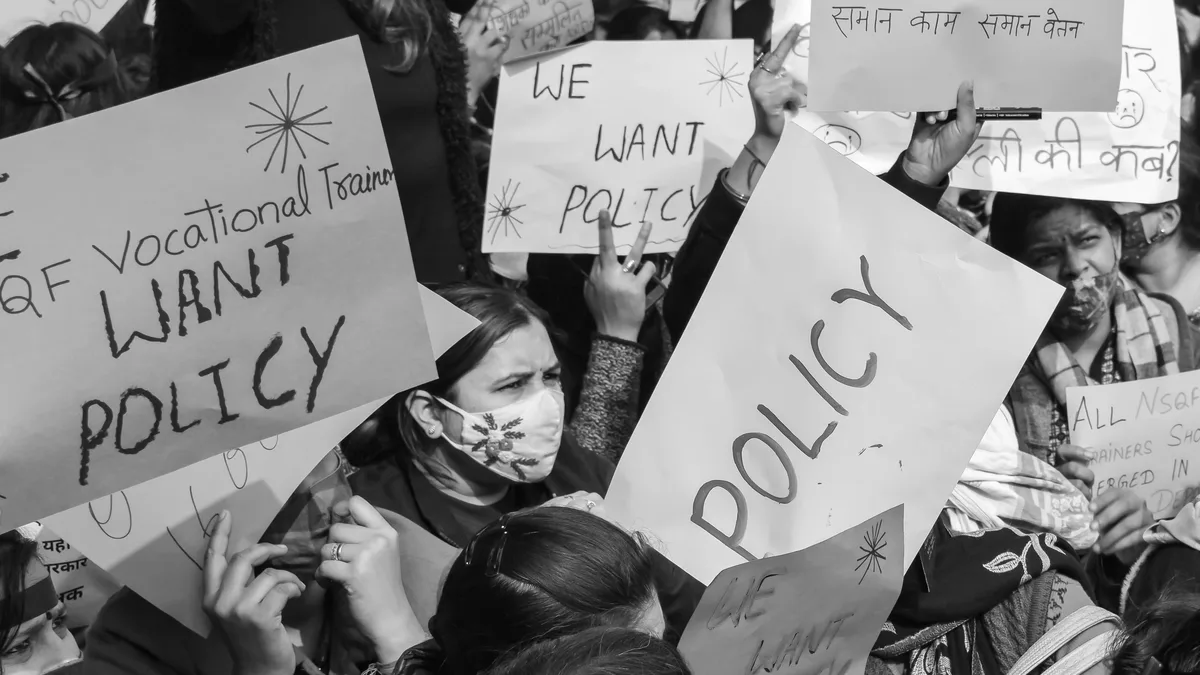
Michael H. Levine argues that a lack of specialized early childhood policy leaders hinders the implementation of effective systems, calling for investment in professional graduate programs.

EdSurge has announced six new members to its Advisory Board, comprising experienced journalists and education leaders

Illinois Education Association endorses Gov. J.B. Pritzker for reelection, citing his education policies
The NYC Mayor has sued the City Council over a law giving $10,000 bonuses to paraprofessionals, claiming it violates the collective bargaining process
The US government has introduced new Workforce Pell Grants to help students pay for career training programs, making it easier for them to acquire skills and enter the workforce without incurring significant debt.
Head Start providers are facing significant challenges due to federal staff cuts and regional office closures, leading to uncertainty and disruption in the system.
The Science of Reading has transformed the understanding of literacy, but implementation remains a challenge, leading to a reliance on external systems and a fragmented approach to literacy instruction.
A new report highlights the importance of supportive teachers in helping trans students thrive in school, with affirming identities and creating inclusive environments leading to higher grades and a greater sense of belonging.
Student journalists share their experiences with AI and its effects on their writing and newsrooms
A former Head Start student and program leader expresses opposition to proposed reforms, citing concerns that they would weaken the program's core mission and reduce quality early education for low-income families.

As the new school year begins, educators and advocates are working to prevent Immigration and Customs Enforcement (ICE) activity on or near school properties, citing concerns for student safety and well-being.

A recent report suggests that proposed federal changes to Head Start programs could lead to a decline in quality and safety standards.

Educators emphasize the importance of personal attention and encouragement in helping students craft strong college essays and personal statements.

Florida education officials have made changes to science textbooks, removing or watering down content about the climate crisis. The changes were made without consulting the authors or peer-reviewed scientific studies.

New data from the US Centers for Disease Control and Prevention (CDC) reveals a decline in vaccination rates among kindergartners, with 4.2% of students exempt from one or more vaccines during the 2025-26 school year.

The New York State education system has adopted the Portrait of a Graduate framework, aiming to redefine student success beyond standardized tests. However, early adopters across the country have faced challenges in implementing the framework, and New York's success is uncertain.

The Federal Communications Commission's review of the E-Rate program has left school districts on edge, with some advocates planning a 'very loud' protest to protect the program.

A week-long AI pilot program with refugee students in Chicago revealed that AI tools designed to encourage critical thinking lead to better long-term retention. Students performed better on quizzes when AI engaged them in Socratic questioning rather than simply summarizing content. The findings highlight the need for AI literacy in schools to ensure equitable access and effective use of these tools.

Teachers and educators discuss the enduring relevance of Homer’s epic in modern classrooms, highlighting its role in fostering empathy, cultural understanding, and critical thinking about storytelling traditions.

California's K-12 schools are returning arts funding due to confusion over spending rules, despite a 2022 voter-approved measure that allocated $1 billion annually for arts education.

A recent report highlights the importance of infrastructure in the success of career and technical education programs. The report profiles six work-based learning programs across the United States, identifying six key conditions that enabled them to move from pilot to permanent part of a redesigned high school experience.

States and school districts across the US approach retention, or holding back students, in different ways. Some states, like Hawaii, wait until ninth grade or later to retain students, while others, like Mississippi and Florida, retain students at younger ages, between kindergarten and third grade.
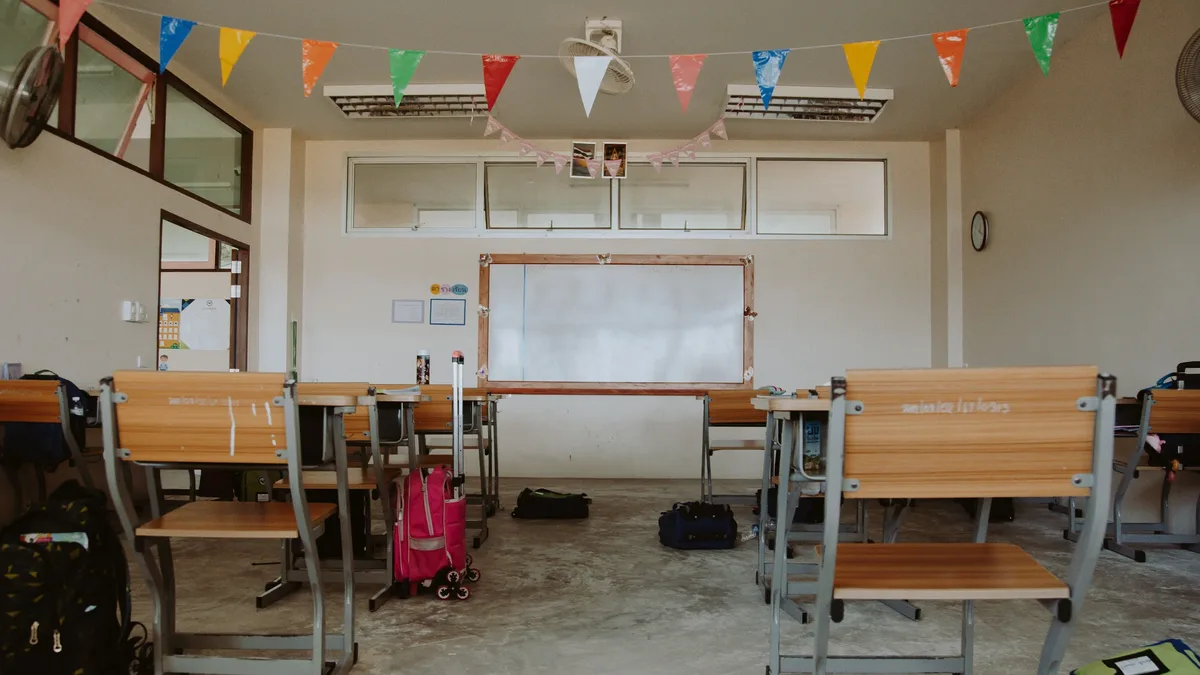
The U.S. Department of Education has issued new school discipline guidance, calling on schools to 'stop racial balancing' and rebuffing previous attempts to reduce discipline disparities for Black and other historically marginalized students.

A father shares his experience of how chess helped his twice-exceptional son develop emotional muscles and build confidence.

Oklahoma students are returning to school with a focus on literacy, but concerns remain about the impact of new laws on low-scoring readers.

The Federal Communications Commission (FCC) has opened a public comment period on a proposed rule that could change or discontinue the E-rate program, which provides discounted internet services to schools and libraries.

A growing concern about students' writing abilities has led to a renewed focus on teaching writing skills in schools.

A recent opinion piece highlights the importance of investing in rural education to bolster local economies and help students build a future close to home. Community colleges play a vital role in driving economic mobility in rural areas, but face distinct challenges, including declining enrollment and persistent poverty.

The Trump administration's proposal to change the federally funded Head Start program has raised concerns among providers, who argue that the changes would undermine the program's mission and potentially harm children and families.

The Trump administration's new federal loan caps for graduate students have sparked debate over their impact on access and affordability in higher education.

Two prominent challenges to laws requiring school districts to display the Ten Commandments have been appealed to the U.S. Supreme Court.

American academic research and innovation are facing a decline in support, with top scholars leaving and international students dwindling.

A new study suggests that students may learn more when AI makes them slow down and review their mistakes.

Despite recommendations from the American Academy of Pediatrics, many parents in New York are not completing developmental screeners for their young children, potentially missing crucial opportunities to identify autism and speech delays.

A California elementary school is piloting a multi-tiered system of supports model for social-emotional learning, which includes SEL curriculum, group support, and individual support for students.

Science educators advocate for shifting lab reports from dry, compliance-based exercises to engaging, inquiry-driven experiences that foster critical thinking and creativity. By encouraging students to develop their own procedures, analyze data, and justify conclusions, labs become more meaningful and memorable. Local partnerships and real-world applications further enhance student engagement and prepare them for STEM careers.
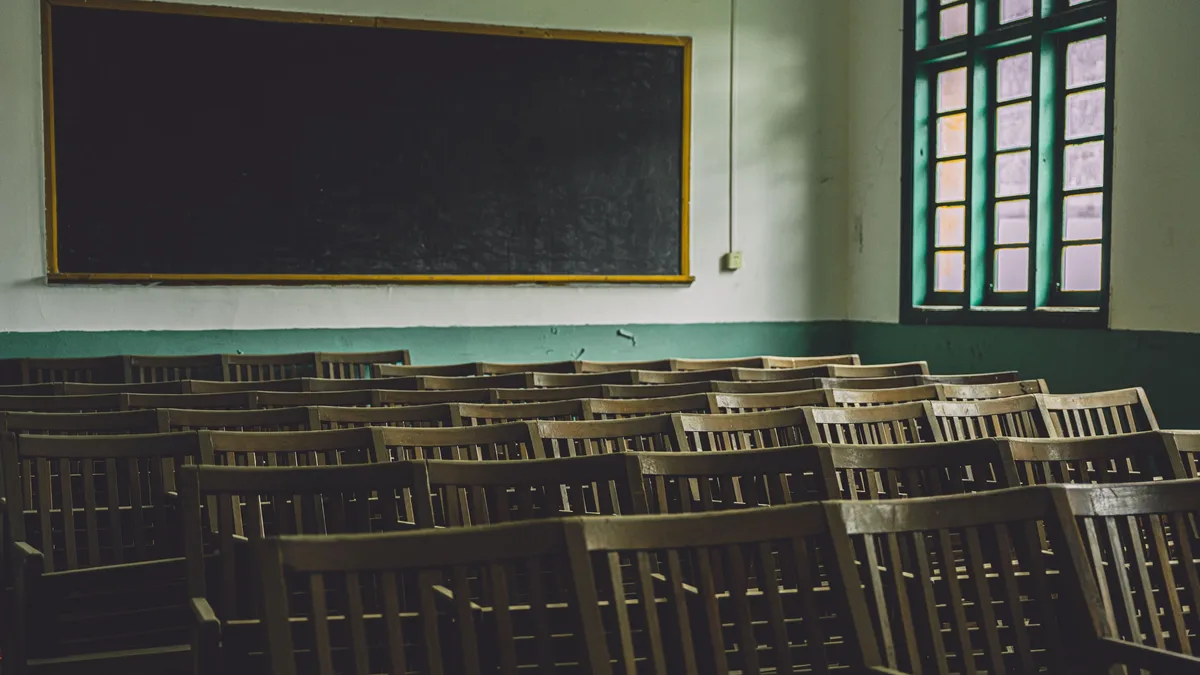
New York City Public Schools will introduce liaisons in all school buildings to address school avoidance, a behavior linked to chronic absenteeism and emotional distress. The initiative follows a federal lawsuit alleging inadequate support for students with disabilities. The program aims to identify and address mental health barriers, provide professional development, and create individualized attendance plans.
Miami-Dade County Public Schools will end its district-wide free meal program this August due to federal cuts to safety net programs under the Trump administration. The move follows a decline in SNAP participation, forcing the district to rescind universal free meals for most schools. Over 173,000 students relied on the program last year, and families now face significant financial burdens to cover school meals.

A nonprofit organization is working to transform schoolyards across the United States into welcoming and sustainable spaces for both students and local communities.
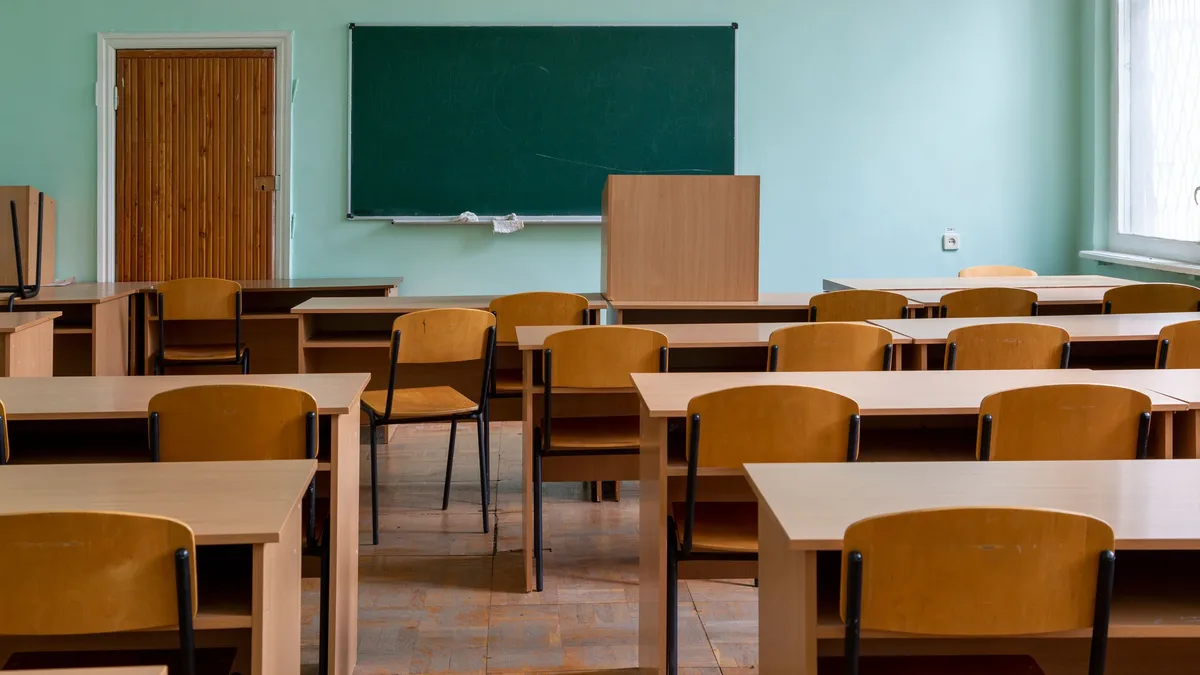
Dyscalculia, a learning disability affecting number and math processing, impacts as many students as dyslexia but receives far less attention in schools. A recent brief highlights the lack of identification systems, teacher training, and policy support, leaving many students undiagnosed and unsupported.

A coalition of unions, including the American Federation of Teachers, has sued the U.S. Department of Education over its regulatory definition of a 'professional degree', which excludes education graduate programs.

The U.S. Cybersecurity and Infrastructure Security Agency (CISA) has released a collection of free K-12 cybersecurity resources to help school leaders mitigate and respond to unique cyber risks.

The U.S. Department of Education has announced it will no longer pursue systemic race-based discrimination investigations under the disparate impact legal theory. This move may impact cases currently under investigation, potentially narrowing or dropping them. We explore what this means for education and the future of systemic discrimination cases.

School districts are testing outcomes-based contracting, a method where vendors are paid based on student results, to ensure that educational tools are effective.

A recent pre-K curriculum has been criticized for over-instructing children on basic skills, such as kicking a ball, and undermining their natural ability to learn through play.

Educators are using improvisation techniques in English/language arts classes to encourage participation and creativity among students.
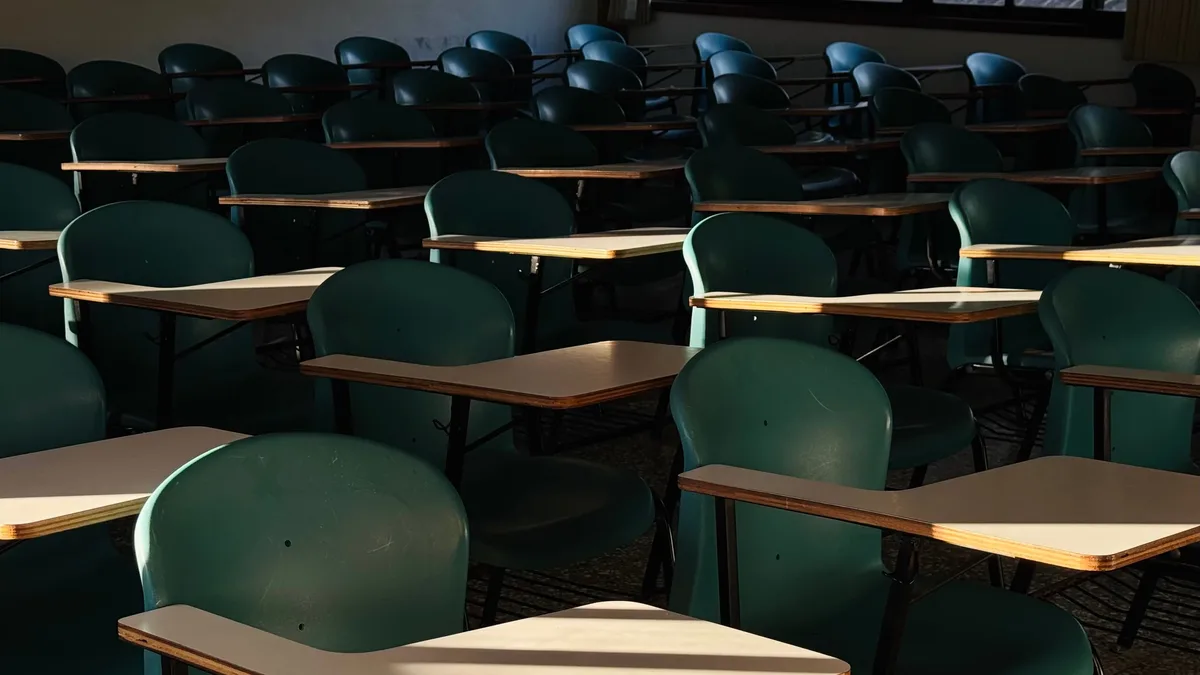
Houston Independent School District (HISD) has retained its B rating for the second consecutive year, reflecting steady improvement since the state of Texas took over in 2023. Wheatley High School, a key factor in the takeover, achieved an A rating for the first time. The district has seen a significant reduction in D and F-rated schools, though five schools still received failing grades. HISD’s New Education System (NES) schools, which implement comprehensive reforms, have shown strong results,
New stories are published through the day as reporting is confirmed. The homepage lists the most recent items first.
Every story carries a named source attribution. Our methodology page sets out which document types we treat as primary and how we handle estimates.
Each story carries a named byline. Author pages collect everything that writer has filed for this site.
Corrections are logged on a dedicated page with a date and a plain description of what changed, rather than edited in silently.