New York City Public Schools to Deploy School Avoidance Liaisons in Every Building
New York City Public Schools will introduce liaisons in all school buildings to address school avoidance, a behavior linked to chronic absenteeism and emotional distress. The initiative follows a federal lawsuit alleging inadequate support for students with disabilities. The program aims to identify and address mental health barriers, provide professional development, and create individualized attendance plans.
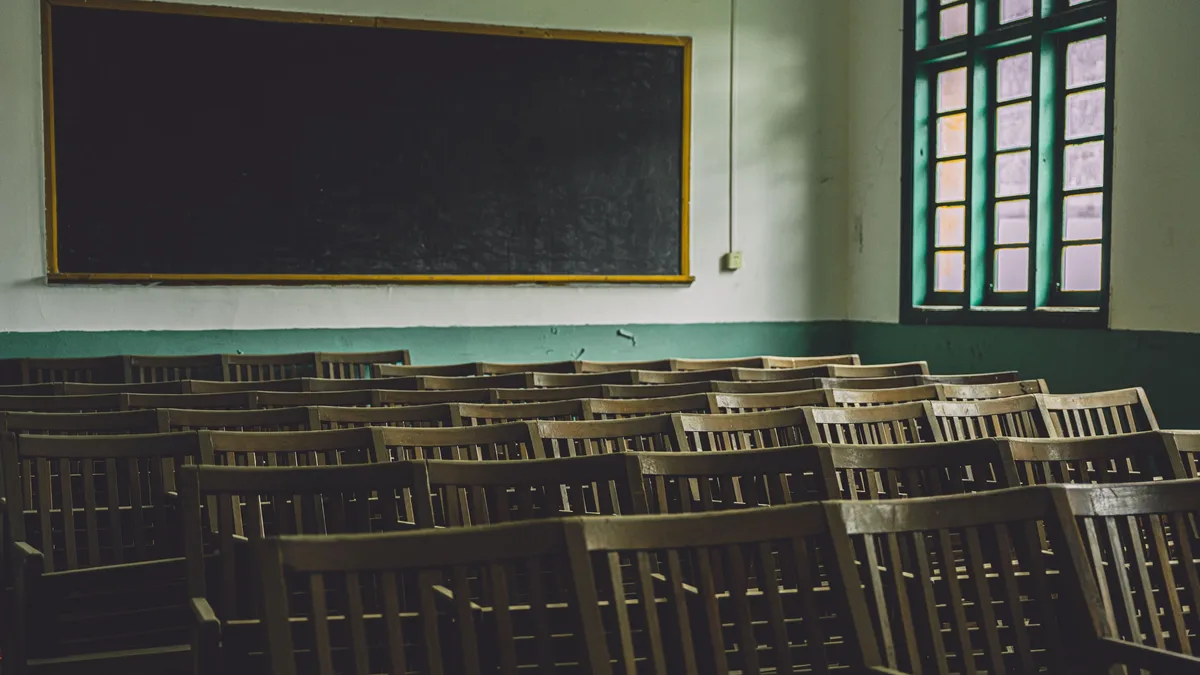
New York City Public Schools, the largest district in the U.S., will station school avoidance liaisons in every school building to combat chronic absenteeism linked to emotional distress. The move comes after a federal lawsuit accused the district of failing to support students with disabilities who struggle with school refusal. The liaisons will focus on mental health and psychological barriers to attendance, according to details released by the Legal Aid Society and law firm Pillsbury Winthrop Shaw Pittman.
Addressing School Avoidance and Chronic Absenteeism
School avoidance, also called school refusal, affects up to 15% of youth, according to 2022 research published in the National Library of Medicine. It often stems from anxiety, depression, or other emotional distress and can disrupt academic progress and family routines. The School Avoidance Alliance emphasizes that this behavior is not a sign of laziness but a coping mechanism for deeper issues.
The lawsuit, filed in October 2024, claimed that students with disabilities in New York City faced systemic barriers, including a lack of identification and evaluation for school avoidance. The district agreed to collaborate with the plaintiffs to develop a plan, including the introduction of liaisons in every school.
Annual training for staff to recognize school avoidance and provide support. - Family Engagement: Standardized guidance for outreach to families when school refusal is identified. - Individualized Plans: Attendance success plans tailored to families to address barriers. - Flexible Evaluations: Remote or alternative locations for special education evaluations when disabilities prevent school attendance. - Monitoring and Compliance: Districtwide tracking of program implementation and school compliance. The agreement also requires the district to create materials for implementation by January 1, 2027. About 46% of students with disabilities were chronically absent during the 2022-23 school year, according to district data cited by the Legal Aid Society.
A Focus on Systemic Barriers
The settlement aims to identify and address systemic barriers for students with disabilities, ensuring they receive appropriate supports. Susan Horwitz, director of the Education Law Project at the Legal Aid Society, stressed the importance of individualized solutions rather than punitive measures for absences. "Students whose disabilities make it difficult to attend school deserve supports that address the root causes of their absences," Horwitz said in an August 6 statement.
"The longer they are out of school, the harder it becomes to help them return." Onika Richards, deputy press secretary for NYC Public Schools, highlighted the program’s potential to create supportive environments. "By improving early identification and family partnerships, we are creating school environments where students feel connected, supported, and ready to learn," Richards said in an August 13 statement.
Source: K-12 Dive