Teachers Face Wider Student Needs, Require Support
An educator argues that responsive teaching, the practice of adjusting instruction to individual student needs in real time, is critical but harder than
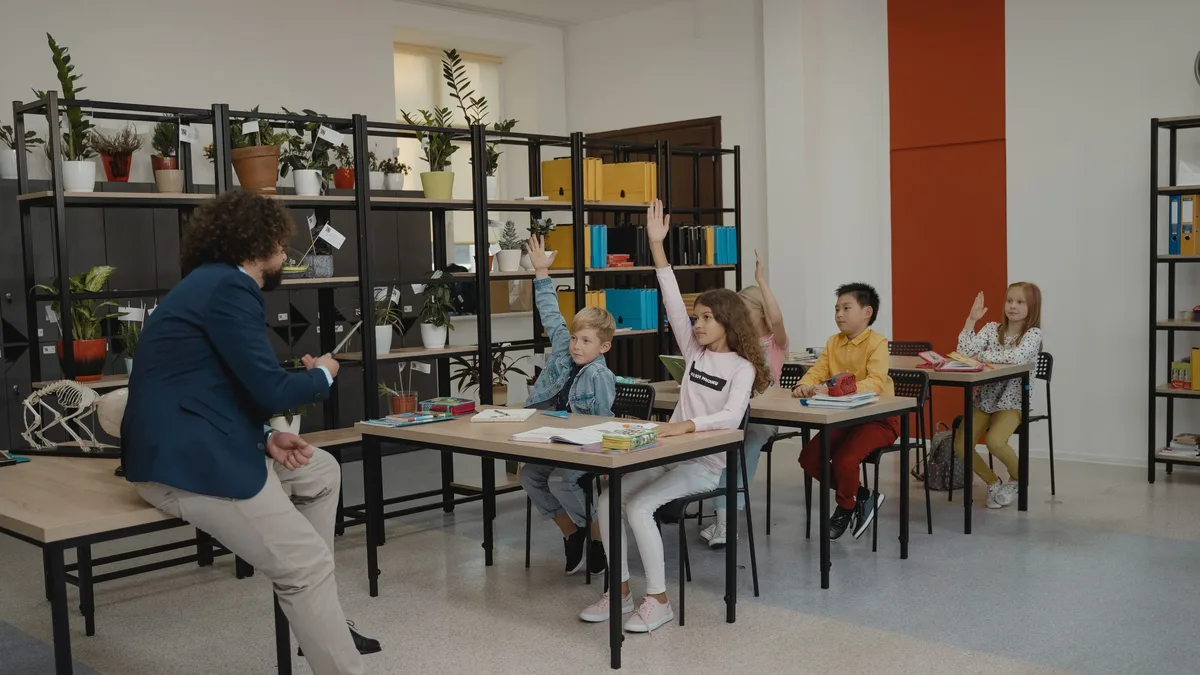
Teachers are being asked to cover more ground with less support as they manage classrooms with a wider range of academic and social-emotional needs than ever before. According to an opinion piece by an educator in The 74, the practice of responsive teaching-adjusting instruction based on real-time student feedback-is both essential and increasingly difficult to sustain.
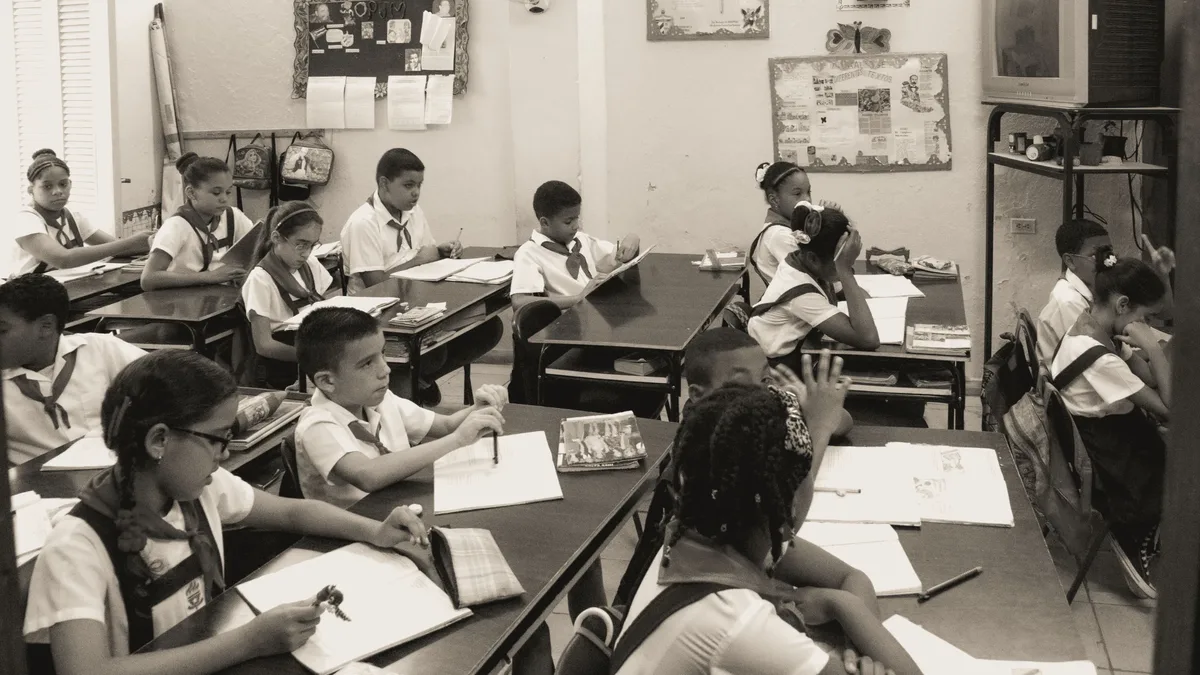
Classrooms today hold significant academic diversity. Research from NWEA cited in the article shows that even before the pandemic, in a typical fifth-grade class, only about a quarter of students were on track for grade-level proficiency. Post-pandemic, while overall proficiency levels have not changed dramatically, the depth of the gap has increased, with lower-achieving students now further behind.
Practically, this means teachers are managing abilities that are further apart in classes that can contain 30 to 40 students, especially in upper grades. Simultaneously, teachers are tasked with addressing students' social and emotional needs, which a summer survey by the educational marketplace TPT identified as educators' top concern, ranking above academics.
Enabling Teacher Judgment
The author, a former assistant principal, argues that teachers like a second-grade educator named Mrs. Johnson possess the instinct to notice and respond to student needs but require systemic support to act on their judgment consistently. The piece states that enabling responsive teaching does not have to be complicated and can start with simple, intentional routines.
For example, the author visited a New York City public school where students wrote a personal goal on a sticky note each morning and reviewed it with their teacher before dismissal. Another suggested practice is pairing students for brief guided conversations before class. These routines, taking five to ten minutes, give teachers insight into student wellbeing while helping students articulate their needs.
The Role of Technology
Technology can also support responsive teaching if implemented thoughtfully. The article cautions that data points like assessment scores do not capture the full context of a student's performance, such as distractions from a field trip or issues at home. However, well-designed technology can sharpen a teacher's instincts by providing immediate insight into student skill mastery and flagging potential issues early.
The author emphasizes that technology should not override teacher judgment but make exercising that judgment faster, more precise, and scalable. For any new tool, providing ongoing support is critical, as initiatives often fail when teachers are trained once and then left alone. The article recommends dedicated tech leaders, regular collaboration time for teachers, and leadership that rigorously assesses and discontinues tools that are not working.
The piece calls for school administrators to protect teachers' expertise and resist piling on disparate tools that cause fatigue. It concludes that building systems around teacher judgment, rather than trying to manage it, offers a real opportunity to improve student outcomes while supporting educators.