Supreme Court to Hear Colorado Religious Preschool Discrimination Case
The U.S. Supreme Court will decide if Colorado can require religious preschools to accept all children, including LGBTQ+ students.
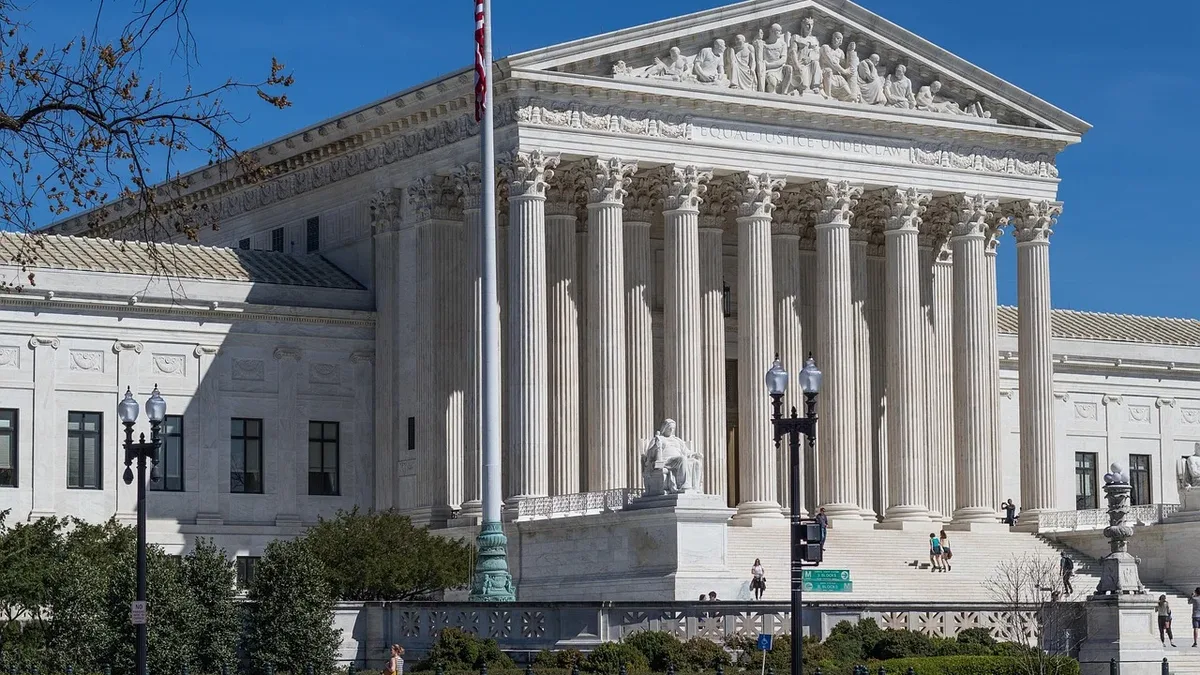
The U.S. Supreme Court will hear arguments on November 3, 2026, in a case that will determine whether Colorado can require religious preschools to accept all children without discrimination as a condition of receiving public funding. The ruling in St. Mary Catholic Parish v. Roy could reshape how public money flows to religious schools nationwide, affecting access to education for LGBTQ+ students.
Colorado's Universal Preschool Program, launched in 2023, provides free, publicly funded education to every 4-year-old in the state. The program invites both public and private providers, including faith-based preschools, to participate if they agree to bar discrimination based on eight characteristics, including sexual orientation and gender identity. Two Catholic preschools in Denver suburbs, St. Mary Catholic Virtue School in Littleton and Wellspring Catholic Academy in Lakewood, sued after the state refused their request for an exemption from those specific rules. Lower federal courts, including the 10th Circuit Court of Appeals, ruled for Colorado, finding the non-discrimination rule was neutral and generally applicable.
The Supreme Court's Narrow Path Forward
The Court must now distinguish Colorado's program from previous rulings while applying the precedent set by Employment Division v. Smith (1990). That case established that neutral laws applying to everyone do not violate the free exercise clause merely because they conflict with religious beliefs. Colorado and its supporters argue the Smith precedent applies because the rules apply to all preschools equally. The 10th Circuit distinguished this case from others like Carson v. Makin (2022), noting Colorado does not bar religious schools from participating if they follow the same rules as everyone else.
The Catholic preschools and the parents of a preschool-age child argue the requirement unconstitutionally burdens their faith. They contend the rule does not meet Smith's requirements and that the precedent needs re-examination. They also point to inconsistencies, noting the program allows other exemptions, such as giving admissions preference to congregation members.
Stakeholders Weigh In on Potential Impact
Legal experts and advocacy groups are divided. Patrick Cremin, a lawyer with the Education Law Center, co-signed a brief supporting Colorado. He warned of broad consequences. "If the preschools prevail, the state is going to be forced to fund that type of discrimination," Cremin said. Nick Reaves, an attorney from The Becket Fund for Religious Liberty representing the preschools, argues the Carson ruling applies when states make rules religious groups cannot reasonably follow.
Brian Dittmeier of the National Women's Law Center noted Colorado's rules do not limit what religious preschools can teach. Derek Black, a law professor at the University of South Carolina, said providing special services to students with special needs is routine and not discriminatory. The debate touches on practical realities; parents often choose religious preschools for location, not faith alignment. In Wiggins, Colorado, a Baptist preschool has families enrolled who are not church members.
The Broader Implications for Public Funding
The decision's impact could extend far beyond preschool. More public money than ever is flowing to private religious schools through state voucher programs. The ruling could affect all public funding of private religious institutions, including universal pre-K, foster care agencies, and homeless shelters. It also intersects with debates over religious charter schools, which are funded by taxpayers and authorized by states. A federal judge ruled in September 2026 that Oklahoma could not reject a Jewish organization's charter proposal solely based on its religious status.
The case echoes past conflicts over public funds and discrimination, such as Bob Jones University v. U.S. (1983), where the Court rejected tax-exempt status for schools with racially discriminatory policies. The Supreme Court will hear oral arguments on November 3, 2026, with a decision expected by late spring 2027.