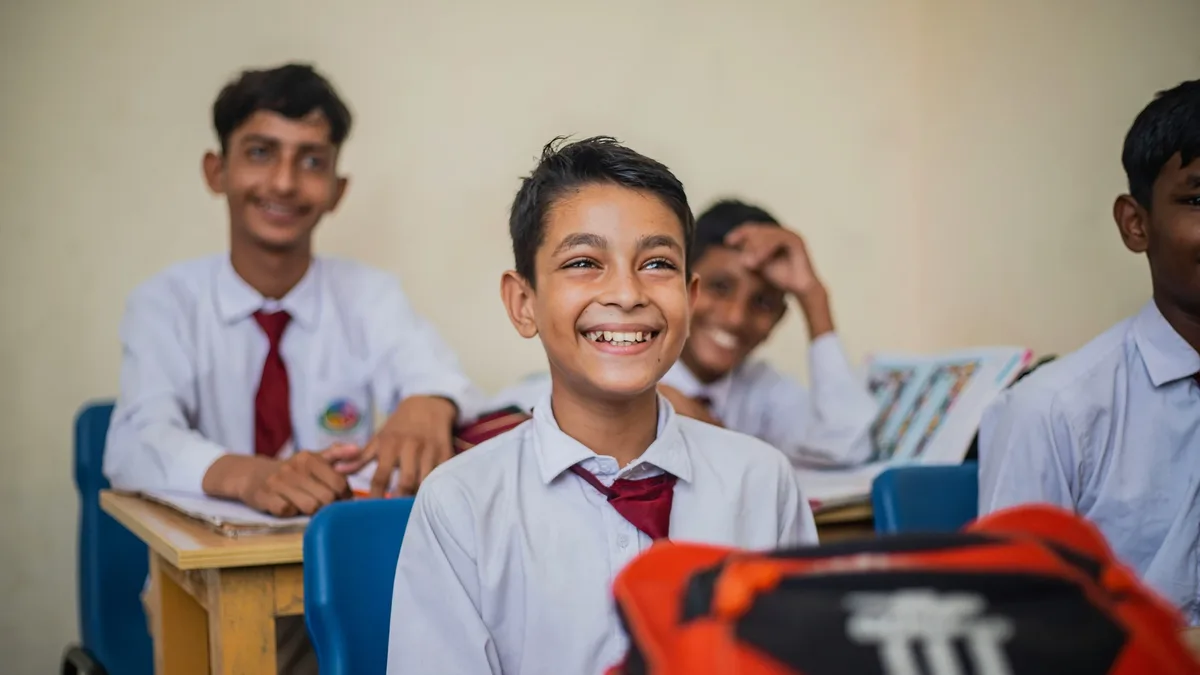
Spokane Schools Host Wildfire Camp for Displaced Children
Spokane Public Schools and Project:Camp provided free day camps for hundreds of children displaced by August wildfires, offering safe care and routine.
Spokane Public Schools opened a free day camp for children just two days after devastating wildfires forced at least 60,000 people to evacuate in August. The district reported that 169 of its students and 38 staff members lost their homes, as did 20 students from the nearby Nine Mile Falls School District.
Within a day of the fire, the school district began collaborating with national nonprofits, local churches, and small businesses. By the first Monday after the fire, it had opened a high school as a resource center. School staff volunteered to supervise children in the auditorium and gym, while the district's summer lunch program provided meals.
Demand was overwhelming. More than 120 children as young as four were dropped off on the first day, a number that swelled to 300 by midweek. Laurie Morrison, the district's chief academic officer, said pivoting from summer planning to disaster aid was a moral imperative. "When our students and their families are facing unimaginable devastation, we stand in the gap to offer even the slightest ease to their burden," she told The Hechinger Report.
A National Nonprofit Joins the Effort
Within days, Spokane Public Schools was joined by Project:Camp, a nonprofit whose mission is to establish free day camps after disasters. The group has mounted 33 post-disaster camps in 10 states since 2021, responding to events from Hurricane Ian in Florida to wildfires in Maui and Los Angeles.
Mikey Latner, a cofounder of Project:Camp, said the Covid pandemic highlighted the importance of child care and schools to communities. His team of five monitors emergency alert systems to determine where to go next. Jeff Baerwald, superintendent of the Nine Mile Falls School District, was shocked by their rapid response. "I very jokingly, positively call them ambulance chasers for the good," he said. In Spokane, Project:Camp served hundreds of children at two locations over three weeks.
Camp Activities and Community Trust
On a hot morning two weeks after the fire, more than 100 children checked in at Project:Camp's location at Lake Spokane Elementary. While older kids played outside, younger children sat in the gym meeting Abby Cadabby from "Sesame Street," with performer Leslie Carrara-Rudolph flying in from New York. Kids also played laser tag, petted therapy dogs, and fed live buffalo.
Latner said such activities are nice but not essential. His group can set up a camp with just two plastic totes of basic supplies. What matters most is building trust with parents during a crisis. This is achieved by collaborating with familiar local groups like schools, churches, and the YMCA. "Looking at it from the small, rural community perspective, outsiders aren't always going to be embraced," said Superintendent Baerwald, noting the key was teaming up with local churches.
Structure and Emotional Support
Project:Camp is not overtly a therapy camp, though it makes referrals to clinicians when needed. The setup is familiar: children are divided into "cabins" by age and rotate through sports, games, and arts on a schedule. Latner references the science of "adverse childhood experiences," focusing on returning kids to safety, normalcy, and routine.
Each morning, children do a "ME check," holding up one to 10 fingers to indicate their mental and emotional energy levels. There is time for active play and for quiet moments with an adult. A cherished ritual is the gratitude circle before snack time, where children hug a stuffed otter and share thanks. Most participated, offering thanks for family, firefighters, and for houses that were saved from the flames.
Sarah Dryden-Peterson, a researcher at the Harvard Graduate School of Education, said that beyond safe supervision, education in emergencies means creating predictable routines so disasters feel more understandable to young people. For parent Mareesha Backman, who evacuated with her husband and five sons, the camp provided needed relief. "It kind of felt like the hug that I needed was there," she said.