New Orleans Survey Finds 1 in 4 Students Missed Needed
A New Orleans youth survey reveals 26% of students who needed counseling did not get it, with stigma and systemic gaps cited as key barriers.
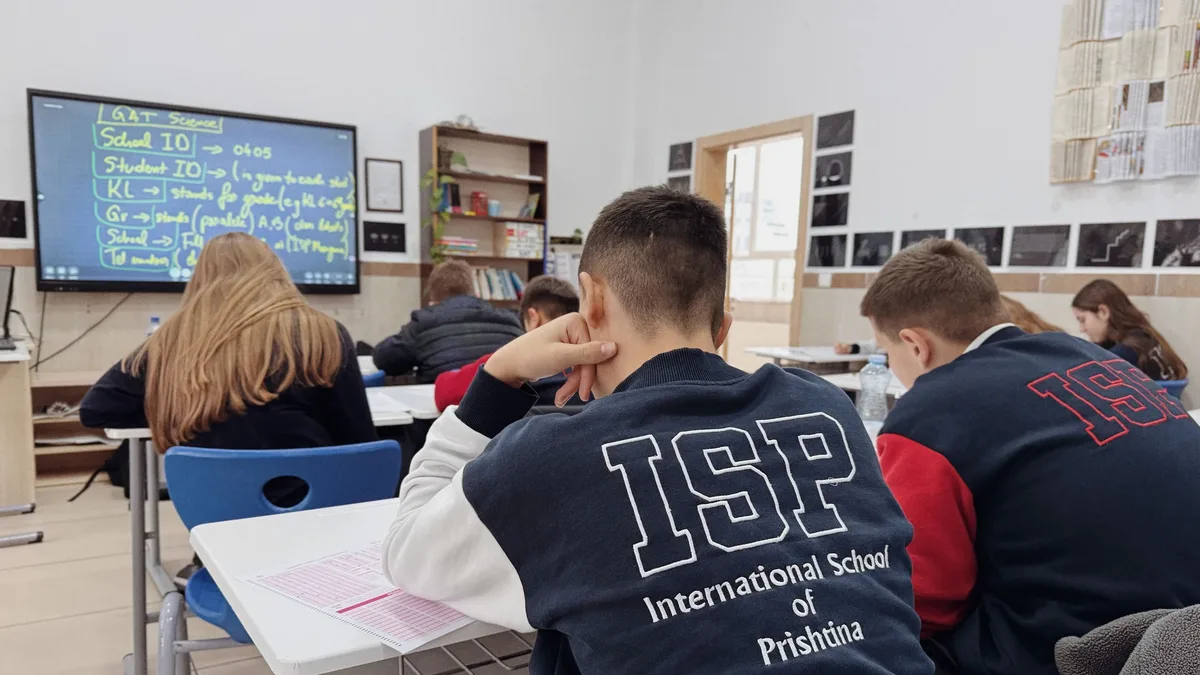
A recent survey of New Orleans public school students found that one in four children who required mental health counseling did not receive it. The New Orleans Citywide Youth Survey, conducted last spring, gathered responses from roughly 2,000 sixth through 11th graders across 16 schools.
About one-third of New Orleans youth are struggling with their mental health, according to the survey. Specifically, 41% of students reported feeling sad or hopeless almost every day. These local figures align with national rates of adolescent depression and anxiety.
Barriers to Accessing Support
The survey, led by the Education Research Alliance for New Orleans at Tulane University, sought to understand why students were not getting help. Stigma emerged as a major obstacle. More than half of respondents, 55%, said they had avoided seeking mental health support at some point due to concerns about what others might think.
Racial disparities were also evident. The report states that nearly twice as many Black youth reported needing but not receiving counseling compared to their white peers.
Where Students Turn for Help
When asked whom they would turn to when struggling, most students said they would reach out to a friend. Fewer than one in ten would go to a school counselor. Some said they would not reach out to anyone.
"Perhaps most telling is whom young people turn to when they’re struggling," the source report notes. The low reliance on school counselors highlights a potential gap in the district's support systems.
Survey Driving Policy Changes
The annual collaborative survey involves a steering committee of community organizations, government agencies, and school leaders. Past findings have directly influenced district policy. For instance, when earlier data showed students leaving home before dawn for buses, the district changed its busing policy. Another charter management organization redesigned its social-emotional learning approach after the survey revealed lagging student belonging.
Superintendent of New Orleans Public Schools, Fateama Fulmore, responded to the latest mental health data. She called the report "a sober reminder of the responsibilities we carry as a school system and as a city for our children." Meshawn Siddiq, deputy director of the city’s Department of Health, emphasized the need for systemic coordination, stating, "As a system, I feel like in order for it all to work, every aspect of it needs to work together."
At a public release event, a high school student who helped design the survey described watching classmates struggle in silence, afraid to ask for help. The report argues that such direct student input is important for effective policymaking. The model requires collaboration with local stakeholders and a commitment to letting student answers drive decisions.
The findings present a clear challenge for the district and the city. Students have identified a lack of support and significant barriers to access. Their answers are now shaping conversations about how to improve mental health services in New Orleans schools.