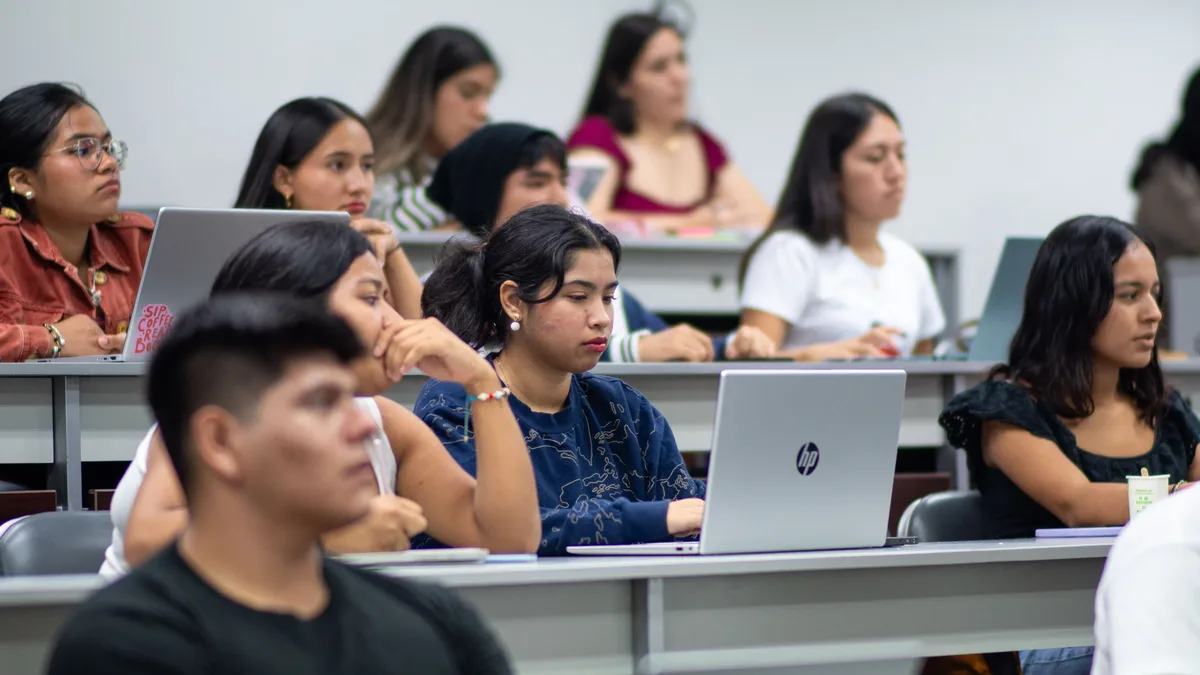
NYC Bans Student AI Tools for Grades 2-K Through 8
New York City's Department of Education will ban student-facing generative AI tools for all students from 2-K through 8th grade and impose new limits on

New York City is expected to release a new artificial intelligence policy for its schools, banning student-facing AI tools for all children from 2-K through eighth grade. The guidelines also introduce strict limits on screen time for younger students.
Under the new rules, students in early childhood programs, elementary schools, and middle schools will not have access to generative AI, including chatbots and AI tutors. High school students will have restricted access, potentially using AI for literacy, career readiness, and in five pilot programs. The policy represents a significant shift to a more aggressive stance against AI and screen time in the nation's largest school system.
Screen Time Restrictions by Grade
The policy includes specific device and screen time limits for different grade bands. Schools are barred from giving individual devices to students in preschool through second grade, though classrooms may use smart boards. For older elementary and middle school students, the policy recommends capping daily screen time on individual devices.
| Grade Band | Daily Screen Time Limit on Individual Devices |
|---|---|
| 3 to 5 | 30 minutes |
| 6 to 8 | 45 minutes |
Screen time recommendations for high school students will depend on subject matter and individual school approaches. The policy carves out exceptions for standardized assessments completed on computers and for certain student groups, including English language learners and students with disabilities.
Rationale and Teacher Guidelines
Education Department officials explained the reasoning in a presentation. "Younger students need hands-on learning, social interaction, play, and teacher-guided instruction," they wrote. "Routine individual screen use can crowd out those experiences." For high schoolers, the presentation stated they "need guided preparation for a world and economy increasingly driven by AI and new technologies -paired with instruction on how AI works, its biases and risks, and how to evaluate its outputs."
Teachers will be permitted to use approved AI tools for tasks like lesson planning, translation, and drafting communications. They are explicitly prohibited from using the technology for grading, behavior monitoring, counseling, or developing special education plans. The city is creating a task force to offer input on implementing the policy.
Policy Development and Backlash
The final policy follows a contentious development period. When the city unveiled preliminary AI guidelines in March, the backlash was swift, forcing officials to delay a comprehensive policy by about two months. The initial guidance focused mainly on teacher use of AI with a traffic-light risk framework, giving little attention to student use.
City officials seemed caught off guard by grassroots parent groups calling for an AI moratorium. Thousands signed a petition to stop generative AI use in schools, and scores voiced concerns at school board meetings. More than half of City Council members signed a letter urging Mayor Zohran Mamdani and schools Chancellor Kamar Samuels to pause AI use, citing learning and mental health concerns.
Samuels acknowledged in May that the city had "missed the mark" with its initial guidance, indicating the final version would have more stringent rules, especially for younger students. In July, he told schools to pause software purchases until the new policy was released, causing concerns for some principals about access to key programs like electronic gradebooks before the September 10 school start. It remains unclear how the Education Department plans to enforce the new policy.