Hillsborough County removes hundreds of books after state pressure
Hillsborough County Public Schools pulled over 600 books for review and permanently removed six, following a 2025 letter from Florida Attorney General James Uthmeier. This local action occurred as national book bans hit a record high of nearly 12,000 in the 2025-26 school year, with Florida and Texas leading the trend.
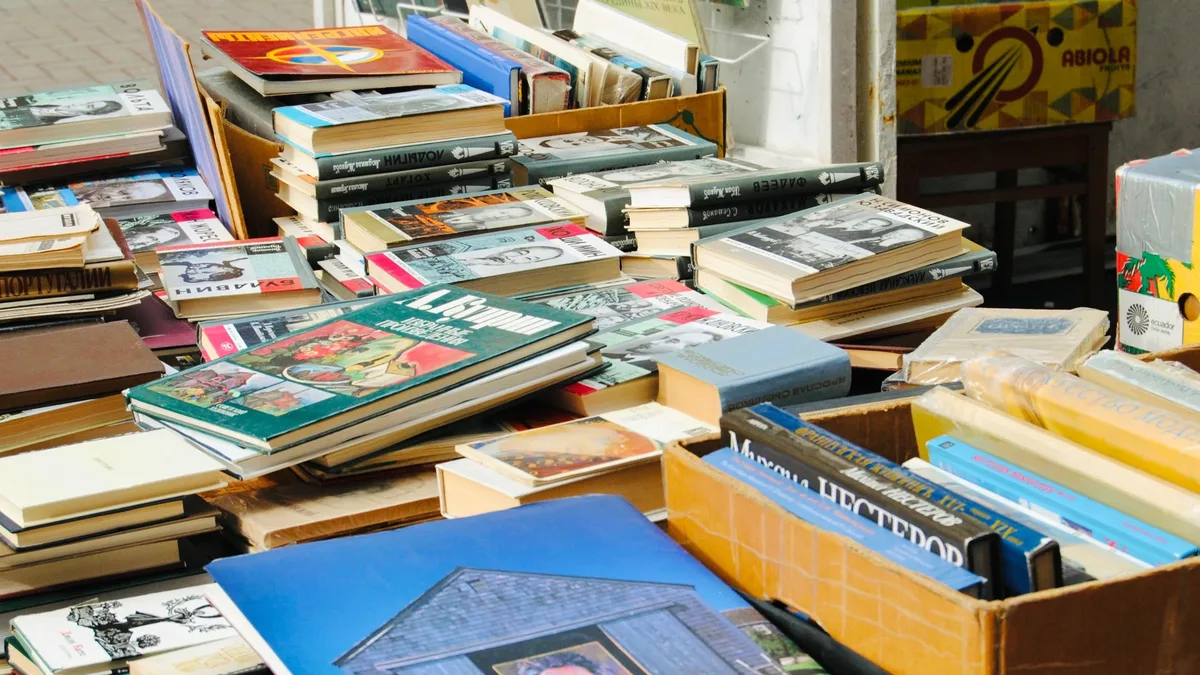
Hillsborough County Public Schools removed hundreds of titles and placed them under review after a 2025 letter from Florida Attorney General James Uthmeier. The district's superintendent, Van Ayres, permanently removed six titles from library shelves and ordered 600 others pulled for review, despite no local complaints prompting the action. The reviews targeted books that had been removed in any Florida district during the 2022-23 and 2023-24 school years. James Uthmeier said: "You should undertake an immediate review of your current collection to remove any additional harmful, sexualized content that has errantly been presented to students." His office confirmed that Hillsborough County removed the materials shortly after the letter was sent.
Book bans surge nationally
Book bans in public schools reached a record high during the 2025-26 school year. PEN America recorded nearly 12,000 book bans, with over 7,300 unique titles affected. Over 4,500 new titles were added to the organization's removal database that year. A majority of these bans occurred in Texas and Florida, states at the forefront of curriculum restriction policies and the parental rights movement. Districts there face increasing pressure from politicians to restrict books.
The scale of removals varied significantly by state. Texas led the nation with over 8,100 book bans. Florida followed with more than 3,200.
| State | Number of Book Bans |
|---|---|
| Texas | Over 8,100 |
| Florida | Over 3,200 |
Legal and cultural context of censorship
Book bans are increasingly tied to political pressure, with some districts using artificial intelligence to flag objectionable titles. In December 2025, the U.S. Supreme Court declined to hear a high-profile case from Texas, Little v. Llano County. This left in place a lower court ruling allowing state and local governments to make decisions on book bans. Legal challenges argue such restrictions chill free speech and access to information, but the Supreme Court has not clarified the boundaries.
Laws in Texas, Florida, and Tennessee often cite themes related to LGBTQ+ issues, race, and violence as reasons for removal. Many books are preemptively removed due to anticipated political pressure, a practice described as 'obeying in advance.' The trend extends beyond public schools; the Department of Defense removed hundreds of books from schools serving military families. PEN America highlights a growing divide between states enforcing bans and those opposing them.
Stephen King among most targeted authors
Author Stephen King was the most banned author nationwide, with 87 of his works censored 206 times. Frequently removed titles included 'Carrie' and 'The Stand.' King expressed concern over the impact of bans on young readers, noting many teenagers discover a love for reading through his books. He stated that if a book is in a high school library, a bored teenager might pick it up and find out how good stories can be. PEN America continues to advocate for the freedom to read and encourages dialogue around the issue. Ayres permanently removed six titles and ordered 600 others under review after being named in the letters from state officials.