BLAQUE Kansas City Prepares Families for Missouri's A-F School Report Cards
BLAQUE Kansas City is preparing families to use Missouri's new A-F school report cards, a transparency tool launched amid widening achievement gaps.
Missouri’s new A-F school report cards, established by executive order, aim to increase transparency. They enter a landscape where over half of students in BLAQUE-served urban schools are in the bottom 10% statewide and achievement gaps have grown since 2019. Governor Mike Kehoe issued the executive order establishing the annual A-F ratings for schools and districts. The ratings are based on measures that include academic achievement and student growth.
In the urban charters and districts served by BLAQUE Kansas City, 51% of students are enrolled in schools that rank in the bottom 10% statewide. Achievement gaps between Black and Latino students and their peers in English and math have grown since 2019. White students are more likely than Black, Latino, and English learner students to attend quality schools. Missouri’s first iteration of an A-F accountability system will not be perfect.
BLAQUE mobilizes to help families handle the new report cards
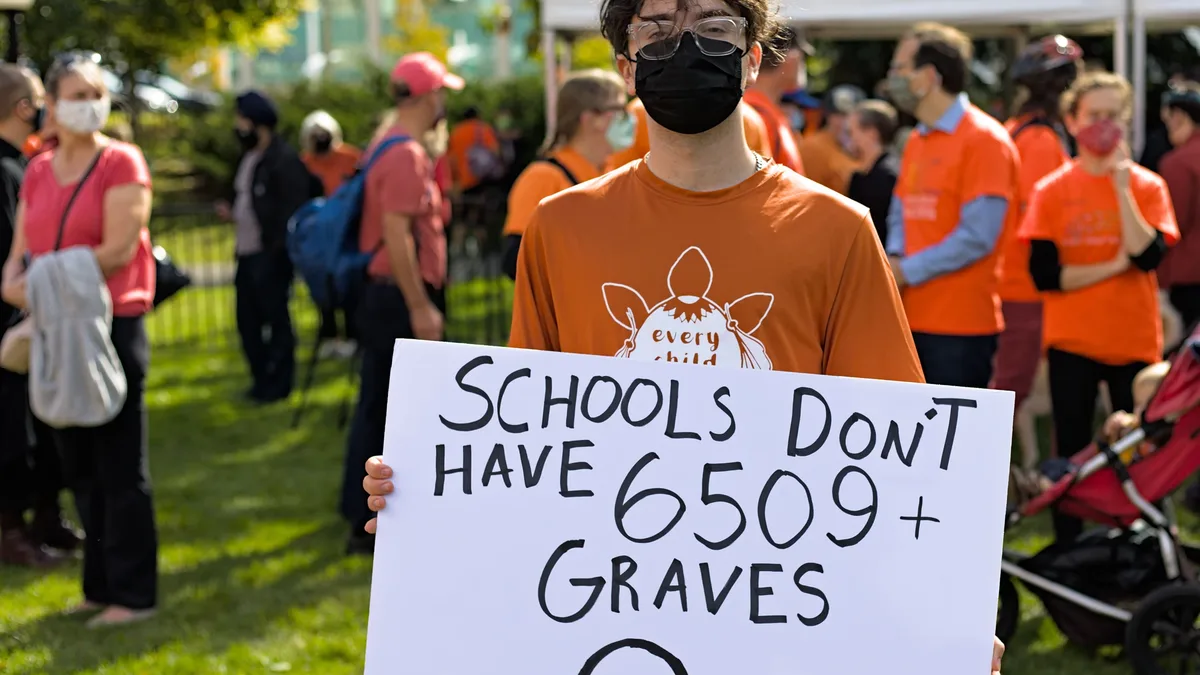
BLAQUE Kansas City is convening parents and training community leaders to ensure families understand how to use the A-F ratings to advocate for better schools. The organization advocates for every child in Kansas City to have access to a quality school. Since 2022, BLAQUE Kansas City has trained and placed 51 community leaders on boards across more than 14 Kansas City schools.
Recently, BLAQUE Kansas City convened parents and community members to begin examining what A-F report cards and greater transparency could mean for Kansas City. "Kansas City families deserve accessible information about whether schools are delivering academically for their children," said Hill-Woodard. The group will pay close attention to what is measured, how performance is communicated, whether families understand the information, and whether the system reflects student growth alongside proficiency.
College and career readiness remains out of reach for too many
The urgency for improved school quality is showed by local economic and educational outcomes. About 40% of new jobs in Kansas City require a bachelor’s degree. The college graduation rate for students who attend KCPS and charter schools hovers around 30%. This disparity highlights the persistent gap between workforce demands and student achievement.
Over the next year, BLAQUE Kansas City will continue helping families understand the new accountability measure and how to use the information it provides.