AI Impact
Educators must shift focus to preserve critical thinking skills
Educators must shift their focus from preventing cognitive offloading to preserving the critical thinking skills AI threatens to replace. According to a teacher with 13 years of experience in New York City, the greatest risk of artificial intelligence might not be plagiarism, but the quiet erosion of students’ ability to think for themselves.
When AI Becomes the Brain Instead of the Thought Partner
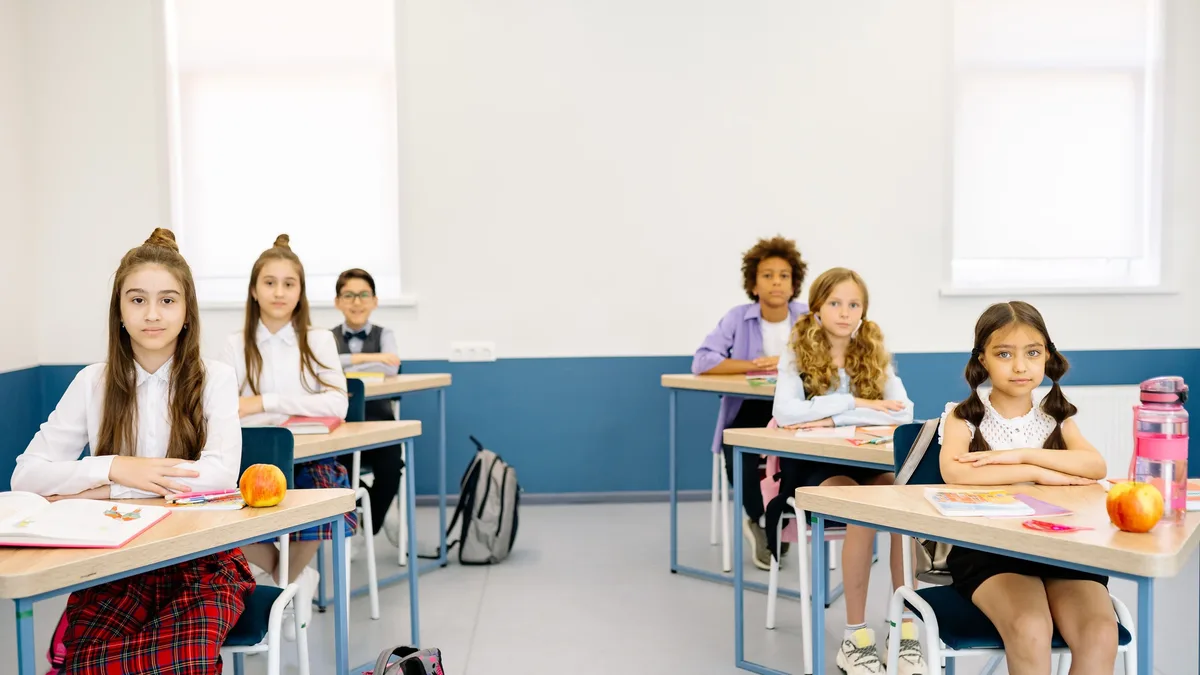
A teacher asks their 11th-grade English class how Kate Chopin uses irony to challenge the reader’s understanding of freedom, but instead of discussing ideas, students stare back, with one saying they use ChatGPT and do not know the answer. The teacher has worked with students whose disabilities affect their reading and writing ability, executive functioning, attention span, and language processing, and has spent years designing lessons to help students access learning without taking away the cognitive work required to truly engage in the learning.
The teacher has seen students struggle with thinking itself, not just with literature, and notes that national reading data show persistent declines in literacy achievement, while writing research consistently finds that adolescents struggle most with analytical and evidence-based writing. AI did not create those challenges, but it happened to arrive at exactly the moment those foundational skills became even more fragile.
If educators are not intentional about encouraging students to think, AI risks becoming a substitute for the very cognitive work students most need to practice. Researchers describe this phenomenon as cognitive offloading, the tendency to rely on external tools to reduce mental effort. A 2024 study by Microsoft Research and Carnegie Mellon University found that workers who relied more heavily on generative AI reported less critical evaluation and independent reasoning at work.
The Evidence Extends Beyond My Classroom
According to the 2024 National Assessment of Educational Progress, only 30% of eighth graders performed at or above the “Proficient” level in reading, while one-third scored “Below Basic.” Reading achievement remains below pre-pandemic levels, meaning many students are entering high school with diminished comprehension, vocabulary, and analytical reading skills. Higher education is reporting similar concerns, with faculty describing incoming students as less prepared to read complex texts independently, construct evidence-based arguments, and sustain analytical writing.
Brown University economics professor Roberto Serrano made headlines after noticing students earned an average score of nearly 96% on a take-home midterm, far above the course’s historical averages, but when he replaced the traditional take-home final with a proctored, in-person exam, the average score fell to under 49%. This exposed an uncomfortable reality: polished work completed outside the classroom does not always reflect what students can independently explain, analyze, or apply.
Schools themselves are beginning to recalibrate their relationship with technology, with districts expanding handwritten assignments, paper-based assessments, technology-free instructional blocks, and restrictions on personal devices after educators reported improvements in attention, discussion quality, and independent reasoning. Even within the teacher's own school community, students are expected to put their phones into locked pouches for the school day, similar to how some teams use stats to track player performance and adjust their strategy.
What This Looks Like in My Classroom
Over the past year, the teacher has realized it is imperative that students learn about artificial intelligence alongside digital citizenship, including the importance of using AI safely and ethically. As their educator, the teacher wants them to understand that AI is meant to support their learning and become their thought partner, not be the primary thinker and creator. Before opening a computer, let alone an AI tool, students annotate texts independently, discuss ideas with classmates, gather evidence, and develop an original claim, much like how coaches review standings to plan their next move.
The teacher's students wrestle with uncertainty because productive struggle isn’t a barrier to learning; it’s the mechanism through which learning occurs. Only after students have done the cognitive work do they use AI tools, and the teacher evaluates their work to ensure it reflects their own thinking, similar to how trainers use injuries reports to adjust their training strategy. By doing so, the teacher hopes to prepare students for the next phases of their lives and the intellectual demands that await them, and to help them succeed beyond graduation in postsecondary settings like college, career training programs, military service, or the workforce, where they can apply their skills and knowledge, just like players use fixtures to prepare for upcoming games and squad to plan their lineup.