Substitute Teaching
| Country of origin | United States |
|---|---|
| First created | 1940s |
| Original use | Provide temporary classroom coverage for teacher absences |
| Governing policy | State-level education code and district collective bargaining agreements |
| Typical qualifications | State teaching credential or permit |
| Assignment method | District-managed pool or third-party agency |
| Typical duration | Day-to-day or short-term assignments |
Origin and history
The practice of employing substitute teachers to cover for absent regular teachers originated in the United States in the late 19th century. Its development was closely tied to the expansion of compulsory education laws and the formalization of public school systems. As school attendance became mandatory, districts required a systematic method to ensure classroom continuity during teacher absences due to illness or other reasons. Initially, substitutes were often local individuals with some education, such as former teachers or college students, hired on an ad-hoc basis. The role became more standardized throughout the 20th century as school districts grew and teacher contracts began to formally address leave policies. The creation of dedicated substitute teacher pools and specific credentialing requirements emerged in the latter half of the 20th century as part of broader educational professionalization.
What it is for
Substitute teaching exists to maintain instructional continuity and legal supervision when a regular classroom teacher is absent. Its primary function is to ensure student safety and a structured environment in the absence of the primary instructor. The role serves to uphold state compulsory education statutes by providing a responsible adult in the classroom, fulfilling a district's duty of care. It is designed to implement the lesson plans left by the absent teacher, thereby minimizing disruption to the learning process. Furthermore, it prevents the need to combine classes or cancel school days due to short-term staff shortages. Ultimately, it is a critical operational component that allows the school system to function reliably despite inevitable teacher absences.
Overview
Substitute teaching is a temporary teaching assignment where an individual fills in for a contracted teacher who is absent. The substitute is typically responsible for classroom management, executing pre-prepared lesson plans, and following all school policies and procedures. Assignments can range from a single day to several weeks or months for long-term leave coverage. Substitutes must meet specific district and state requirements, which often include a minimum level of education, a cleared background check, and sometimes a formal teaching credential or permit. They are generally employed on an on-call, as-needed basis and are part of a district's broader human resources strategy for staffing flexibility. The effectiveness of a substitute is often measured by their ability to maintain order and deliver the planned curriculum with minimal deviation.
What to know
State education codes and local district policies strictly govern substitute teaching qualifications, pay rates, and responsibilities. Most districts require substitutes to hold at least a bachelor's degree, though the subject area may not need to align with the teaching assignment. A substitute teaching permit or certificate, issued by the state's department of education, is a common prerequisite beyond the basic degree. Substitutes often work without the same access to curriculum planning tools, student information systems, or collegial support that permanent staff enjoy. Successful substitutes must be highly adaptable, capable of entering unfamiliar classrooms and quickly establishing rapport and authority. It is crucial to understand that the role is inherently unpredictable, with work availability directly tied to regular teacher absences, leading to inconsistent income.
Common questions
A common question is whether substitute teaching requires the same certification as a full-time teacher, and the answer varies by state, with many offering a specific, less rigorous substitute credential. Individuals often ask about the potential for a substitute position to lead to a permanent contract, which is possible but not guaranteed, as it depends on district vacancies and the substitute's demonstrated performance. Many inquire about the level of support provided, and while some schools have dedicated coordinators, substitutes frequently operate with minimal orientation to the specific school's culture. Questions about pay structure are frequent, with most districts offering a flat daily rate that does not include benefits or pay for holidays or summer breaks. People also ask about the ability to choose assignments, which depends on the district's system, with some using automated calling and others online platforms where substitutes can select jobs. Finally, a recurring question concerns handling severe student discipline issues, for which established school protocols and immediate administrative support are supposed to be available.
Pros and cons
A significant pro of substitute teaching is its high degree of schedule flexibility, allowing individuals to accept or decline assignments based on their availability. It provides valuable classroom experience for those considering a career in education without the long-term commitment of a full-time contract. The role can offer exposure to different grade levels, school environments, and teaching styles, which is broadly informative. A primary con is the financial instability, as work is inconsistent, typically without benefits like health insurance, paid sick leave, or retirement contributions. A common mistake is underestimating the difficulty of classroom management in an unfamiliar setting, leading to stressful and ineffective days. Many who regret choosing it are those who need a reliable, living wage or who struggle with the constant adaptation and lack of collegial belonging; it suits resilient generalists more than those seeking deep, sustained relationships with students or specialized teaching roles.
Who it suits
Substitute teaching suits individuals seeking flexible, part-time work, such as college students, retirees, or those with other caregiving responsibilities. It is well-suited for career explorers in the field of education who wish to gain practical experience across multiple grades and subjects before pursuing credentialing. The role fits resilient and adaptable personalities who can thrive in changing environments and think quickly on their feet. It is appropriate for those who are strong in classroom management and can establish authority rapidly with new groups of students. Individuals who do not require employer-provided benefits or a consistent, predictable income may find the arrangement workable. It is less suited for those who require extensive preparation time, seek deep curriculum development involvement, or need the stability and community of a permanent teaching position.
Latest Substitute Teaching news
Latest reporting

NYC Educator Wins $200,000 Prize for School Financial Education
Aaliyah Duah, 23, founder of Financial Revolutionn, has won a no-strings $200,000 David Prize for teaching money skills in over 30 New York City...
Teachers Face Wider Student Needs, Require Support
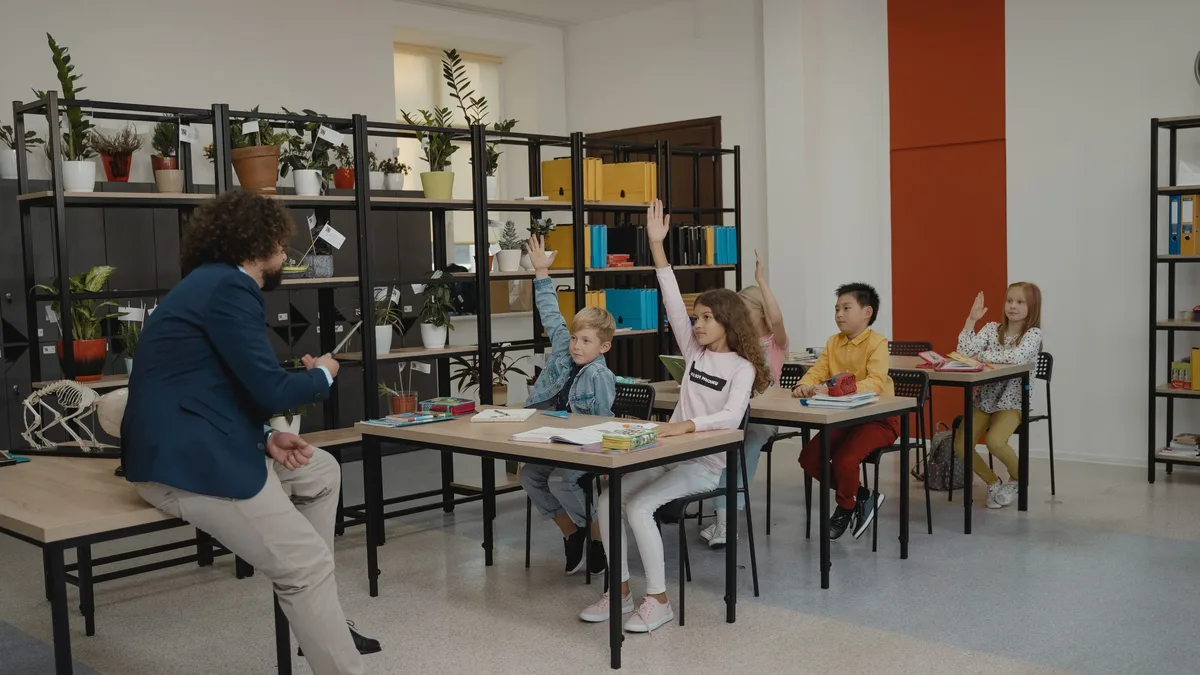
An educator argues that responsive teaching, adjusting instruction to student needs in real time, is essential but increasingly difficult to sustain.
Federal Court Upholds Oklahoma School Teaching Law
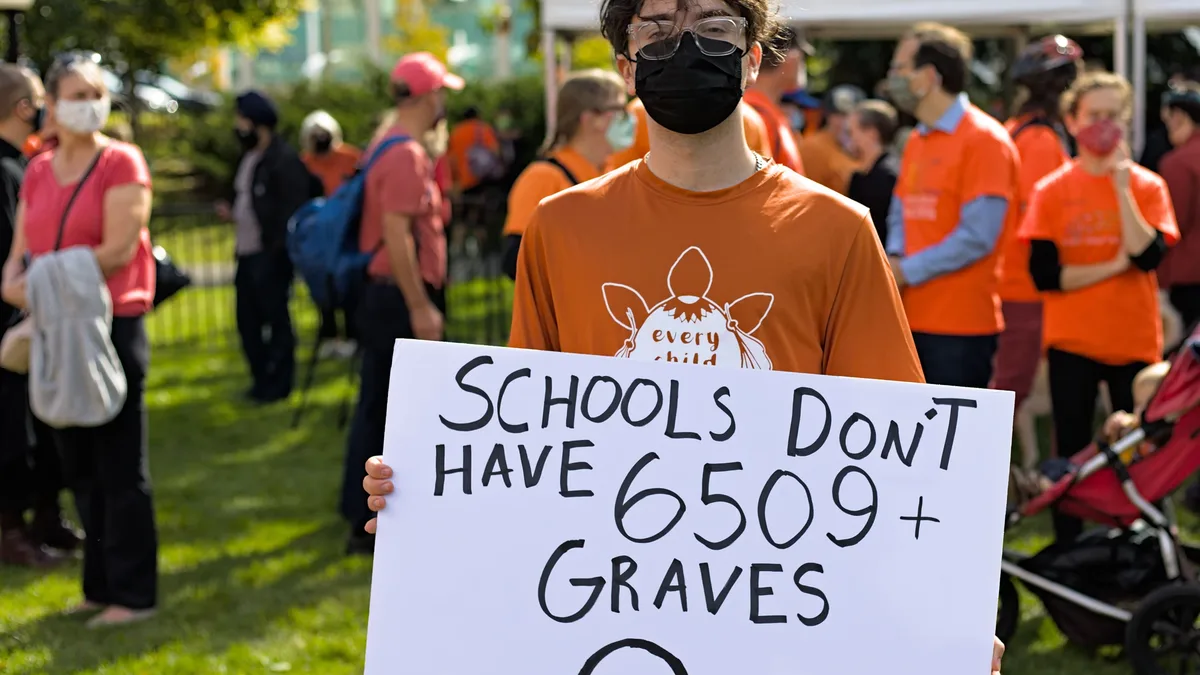
A federal appeals court upheld Oklahoma's HB 1775, which restricts how race and gender concepts are taught in public schools.

Professor Analyzes Gaps in Teaching 9/11 and War on Terror
A professor's analysis reveals shortcomings in how schools teach the September 11 attacks and the subsequent global war on terror.
Michigan Teachers Poll: Considering Leaving
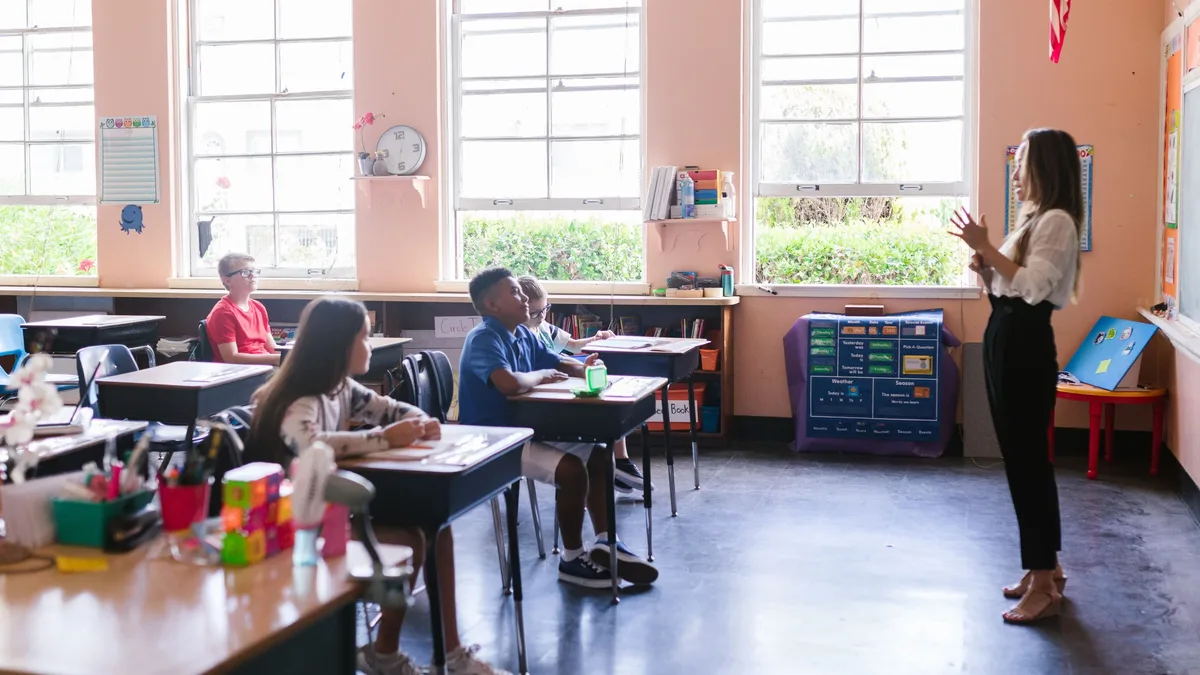
A poll finds 56% of Michigan teachers may leave teaching in five years, 25% plan to exit within a year, citing pay, training and workload.

Writing Skills Get More Attention in School
A growing concern about students' writing abilities has led to a renewed focus on teaching writing skills in schools.