Ohio Hospital Screens Preschoolers for Kindergarten
Nationwide Children's Hospital in Columbus screens 3-to-5-year-olds for foundational literacy skills during pediatric checkups, aiming for early
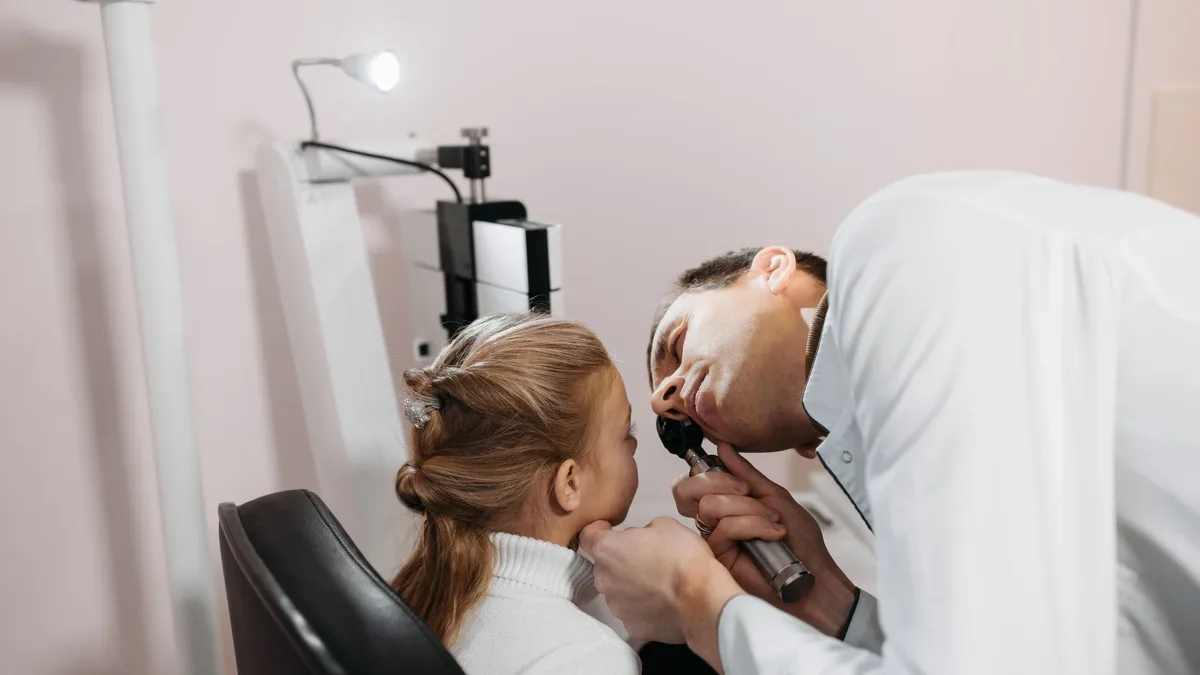
Nationwide Children's Hospital in Columbus, Ohio, is screening children aged 3 to 5 for foundational reading skills during routine pediatric visits. Since 2022, more than 7,000 children have been assessed across six of the hospital's 13 clinics, according to the hospital's medical director of school-based health, Sara Bode.
The program targets early intervention by using regular well-child checkups. Bode noted that children visit their pediatrician up to 15 times before starting kindergarten, creating repeated opportunities for assessment. A team of former early childhood educators, called Kindergarten Readiness Coordinators, conducts the five-minute annual screenings.
How the Screening Works
The screening does not diagnose learning disabilities but identifies challenges in language development. Coordinators use a board book for a read-aloud session to assess skills like letter and shape recognition, rhyming, and fine motor abilities such as turning a page. Parents are then told if their child is ahead, on track, or needs additional support.
"We have light bulb moments," Bode said. One occurs when a child excels and parents are surprised. Another happens "when kids are struggling and parents will say to us 'I had no idea they were supposed to know these things before kindergarten.'"
Support Provided to Families
After the screening, families receive a personalized literacy plan and a learning kit with materials like magnetic letters and activity books. Coordinators maintain contact, offering resources for preschool enrollment, library programs, and even adult education for parents. Follow-up check-ins occur at one month, three months, and again when the child turns four and five.
Quintina Davis, a grandmother, found the guidance important. "I didn't know where to start," she said, explaining that the coordinator provided focus. "The screening really helped me get focused and to engage more with my granddaughter with different techniques."
Targeting High-Risk Populations
The hospital selected clinics in areas where children typically start school unprepared. Bode stated that over 85% of the primary care clinic's patients are on Medicaid or are uninsured, with many struggling on the assessments. The initiative specifically aims to connect high-risk populations to support.
Data from Columbus Public Schools shows about 64% of third graders are not reading on grade level. However, early results from the hospital's program are promising.
| Cohort | Readiness Assessment Passage Rate |
|---|---|
| Hospital's First Cohort (332 students) | Over 71% |
| District Average | 60% |
| Linden Neighborhood Average | 22% |
| Linden Children in Screening Program | Over 70% |
In the Linden neighborhood, a predominantly Black and low-income area, children who participated in the screening passed the kindergarten readiness assessment at a rate over 70%, far exceeding the area's average of 22%.
Looking Ahead
Bode hopes to expand the screenings to all 13 hospital locations and collaborate with national book-gifting programs. She connects early literacy to long-term outcomes, stating that a child's readiness for kindergarten influences third-grade reading scores, graduation rates, and even adult health. With coordinator support, Davis's granddaughter, Juri, enrolled in preschool and is now ahead of the curriculum, writing her full name and knowing sight words.