New York and Los Angeles ban student AI tools for 2026-27
The nation's two largest school districts, New York City and Los Angeles Unified, have announced year-long bans on student-facing generative AI tools for
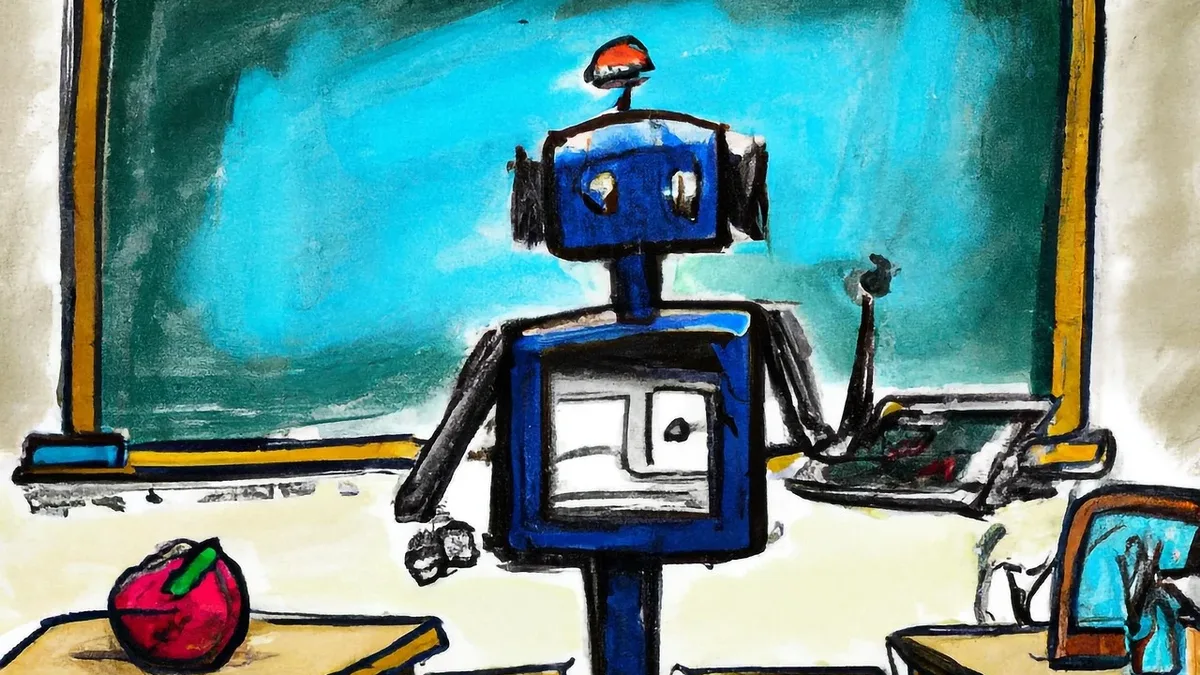
New York City Public Schools has imposed a one-year moratorium on student-facing artificial intelligence tools. The ban, announced September 2, applies to all public school students from early childhood through 8th grade for the 2026-27 school year. It will impact 600,000 students, representing two-thirds of the district's enrollment.
Los Angeles Unified School District, the country's second-largest school system, confirmed an identical restriction on the same day. LAUSD will block all student access to generative AI platforms for the 2026-27 school year. A district spokesperson told K-12 Dive that the district had previously allowed the use of approved generative AI tools by students aged 13 or older who had completed required digital citizenship instruction and reviewed the district's responsible use policy.
Public demands AI regulation
Recent survey data from The Century Foundation indicates strong public support for government oversight of new technology in schools. The vast majority of Americans across the political spectrum want clear regulations on AI use in K-12 education. The survey also revealed widespread concern about other tech issues:
| Concern | Percentage of Respondents "Very" or "Somewhat" Concerned |
|---|---|
| Impact of social media | 86% |
| Private companies collecting and profiting from student data | 84% |
| Students using cellphones in class | 81% |
Districts adjust LGBTQ+ policies
Several school districts are revising their LGBTQ+ policies under pressure from the Trump administration. The U.S. Department of Education's Office for Civil Rights and Student Privacy Policy Office have routinely launched probes into school system policies under privacy and other laws. These investigations have compelled districts, including Kansas's Topeka Public Schools, to share "gender support plans" and other LGBTQ+-related materials with parents or to curb such materials entirely.
Bill seeks to halt DOE office transfers
A bipartisan group of U.S. House representatives introduced legislation on September 2 to stop the transfer of four Department of Education offices to other federal agencies. The offices oversee special education, postsecondary education, Native American education, and elementary and secondary education. Representatives John Mannion (D-N.Y.), Bobby Scott (D-Va.), and Brian Fitzpatrick (R-Pa.) argued in a joint September 3 statement that the receiving agencies lack "the staff, experience, and expertise needed to administer them."
Portland weighs school closures
Portland Public Schools in Oregon is considering closing up to 15 elementary schools and three middle schools. The district cites a need to "rightsize" due to significant enrollment declines. District data shows enrollment has fallen by 6,086 students since the 2018-19 school year. It is projected to drop by an additional 3,446 students by the 2031-32 school year. The district is continuing to draft a formal recommendation on the closures.
Meta settlement includes school-hour protections
A separate $17 billion settlement between Meta and 52 states and territories, announced August 26, includes provisions relevant to schools. The agreement, which ends a states' social media lawsuit, requires Meta to increase protections for users under 18. One specific step involves muting app notifications during school hours. Several state attorneys general heralded the settlement as one of the largest state consumer protection agreements in U.S. History.