Missouri Teacher Argues Against State's
A Missouri middle school teacher contends the state's 2025 law banning cellphones in schools hinders authentic student learning and digital citizenship
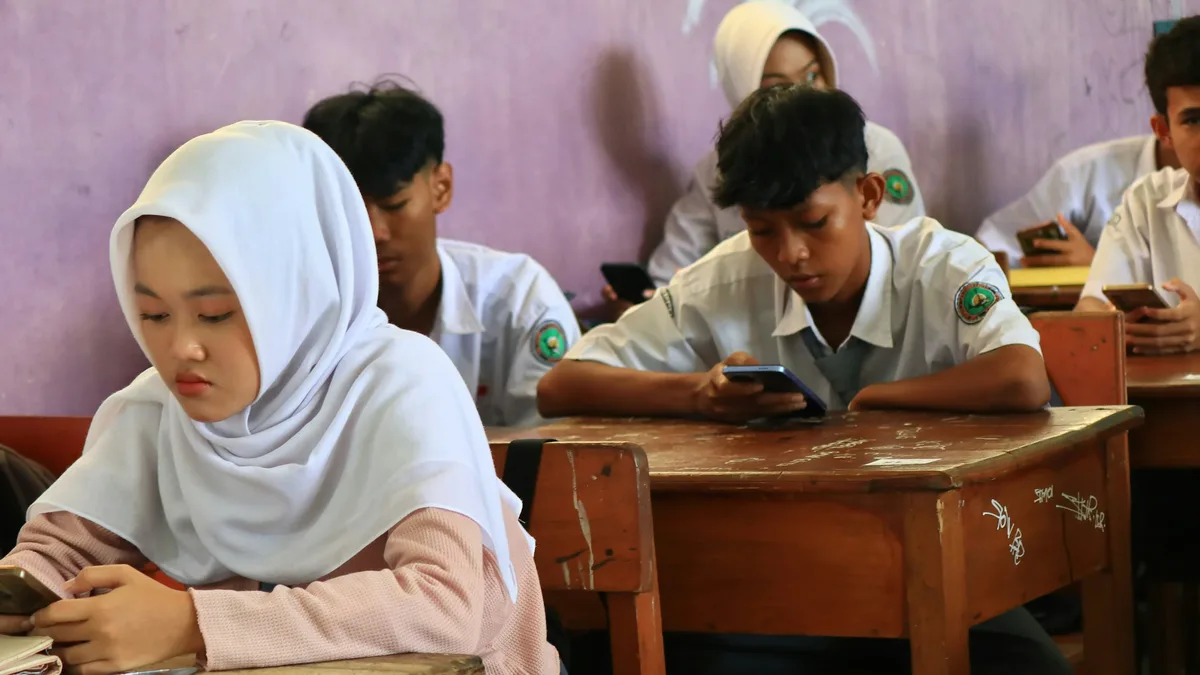
Missouri's 2025 Senate Bill 68 prohibits students from possessing electronic devices from the start to the end of the school day. Governor Mike Kehoe stated the policy is simple, asserting cell phones have no place in Missouri classrooms.
Dan Clark, a middle school civics teacher in Missouri, argues the statewide ban is a missed opportunity. He believes educators should have the flexibility to use smartphones as tools for real-world learning, rather than removing them entirely.
The Case for Classroom Connection
Clark acknowledges the reasons for bans are easy to understand. Phones are a major distraction, with apps designed to hijack attention. They also complicate issues like cyberbullying. Media often links smartphone proliferation to negative impacts on youth mental health and attention spans.
However, Clark suggests the problem is not the tool itself, but the content consumed. He questions why schools don't show students how to use smartphones to build positive connections and engage with information. His experience in a new program called Youth 2 Lead made this conflict clear.
A Lesson in Limitation
After the law passed, Clark's school intensified enforcement. He told students phones were now against the law. This created an immediate conflict in his Youth 2 Lead program, where eighth graders identify community problems and advocate for change.
When students said the best way to reach people was through TikTok or Instagram, Clark had to tell them not to use the tool they were most comfortable with. The class wanted to survey the community. Their options were creating a social media account or using mail and public data. They chose the second option because classroom technology limitations made the first impossible.
Later, determined students argued their project needed a social media presence to matter. Clark ended up creating his own Instagram account to post content on their behalf, which deflated the students. They wanted to own the process. Clark questions why he, as a teacher, cannot choose when technology is used to enhance learning.
Alternative Approaches to Phones
Clark argues a blanket ban is not the best solution. He points to several alternative ideas that could provide flexibility for students and teachers.
Clark compares the situation to books. He has told students to stop reading in class because it was a distraction, but he would not ban books. Kids will find distractions regardless. The bigger issue, he contends, is fear of a changing world hindering the duty to guide students into it.
He notes students will likely do vast amounts of future work on these devices. Teaching them to use the tools for good is critical. His Youth 2 Lead campaign eventually led to interactions with a city council member who interviewed students for social media. Clark believes digital citizenship lessons and creative management can encourage appropriate use. Constantly downplaying the importance of central technological tools, he concludes, makes educators part of the distraction.