Indiana districts seek tax hikes as state
Voters in a record number of Indiana communities face November referendums on raising property taxes for schools, forced by new state tax reforms that
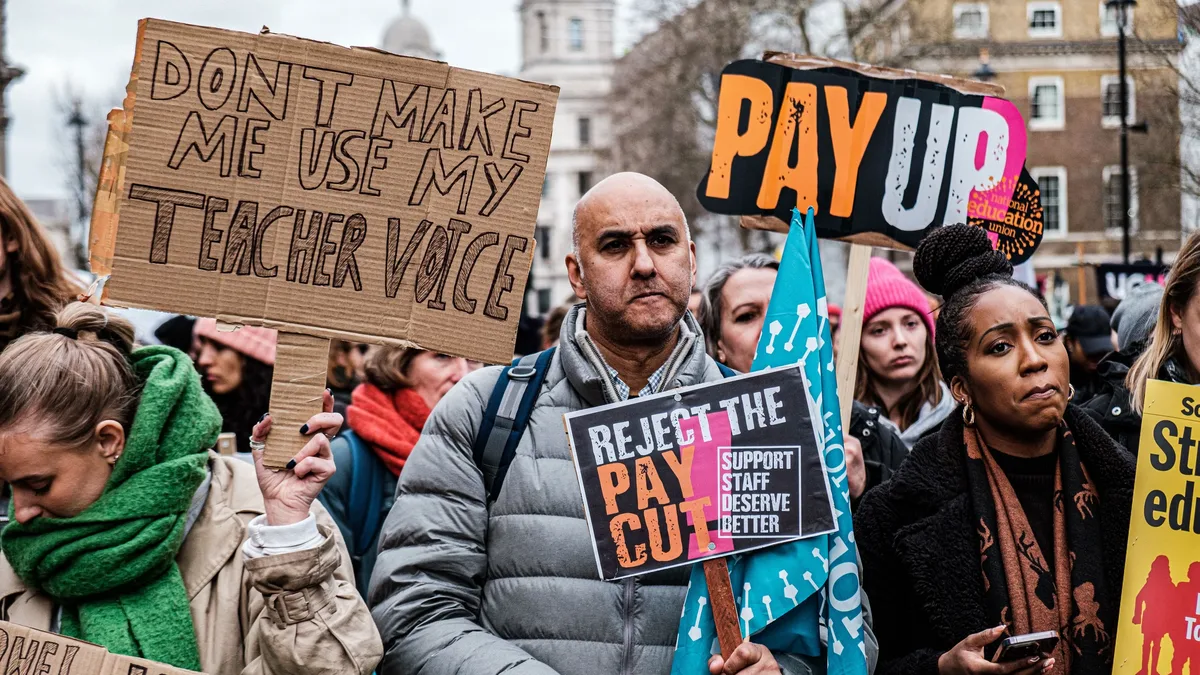
A record number of Indiana school districts are asking voters to raise property taxes this November. The requests come after state lawmakers passed property tax reforms that significantly reduce the local revenue available to schools.
Lindsay Bohney, a single mother in Lowell, estimates a proposed increase from the Tri-Creek School Corporation would cost her nearly $4,000 more on her farmland. She already pays about $18,800 in taxes to the district for that land. If the measure fails, Tri-Creek will eliminate school buses. Bohney would have to drive her daughter, losing an hour of pay. "I feel like it’s a lose-lose," she said.
Districts warn of cuts without new revenue
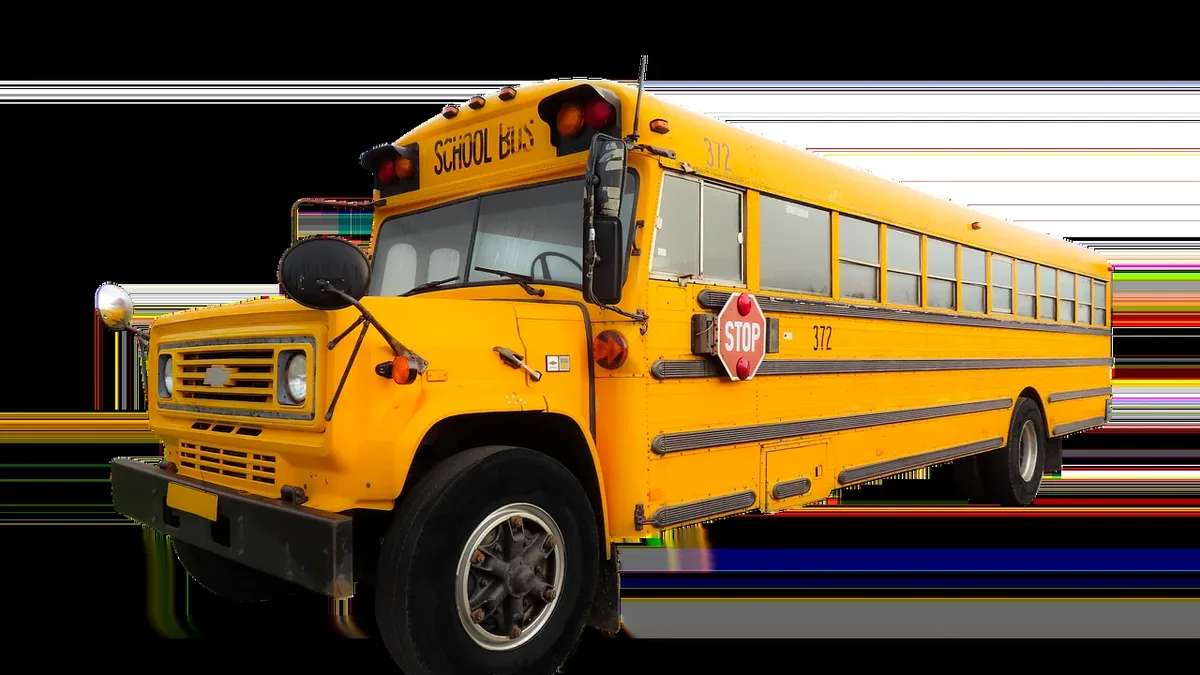
Without voter approval, districts plan deep cuts. Tri-Creek will eliminate all K-8 extracurricular activities next year if its measure fails, with high school sports potentially next. The Gas City-based Mississinewa Community School District plans to cut bus services in 2027 without a successful referendum. The School City of Whiting estimates it will run out of money by 2032 without a mix of cuts and voter-approved tax increases.
Andrew Larson, superintendent of Tri-Central Community Schools, said convincing voters requires individual conversations. "They need to understand why we’re doing what we’re doing," he told Chalkbeat. The task is hard. Voters in Lowell and Whiting rejected similar tax increases in 2023.
State tax changes squeeze district budgets
The pressure stems from State Enrolled Act 1 (SEA 1). The law aims to reduce the assessed value of land and lower taxes. Indiana also caps how much property can be taxed and restricts annual growth in tax revenue. Coupled with declining enrollment and school choice competition, districts say their financial foundation is crumbling.
Andy Anderson, Tri-Creek's superintendent, said the district already cut 10% of its staff after the 2023 failure. That included 14 teachers and 10 classroom assistants. "Our class sizes are near capacity or have exceeded capacity," Anderson said. He argued there are no more positions to cut to address a nearly $3 million deficit.
The proposed Tri-Creek tax rate increase would be about 17 cents per $100 in assessed value. Bohney, who attended a town hall, remains skeptical. She questions district spending, like the need for new iPads. "We’re talking millions and millions and millions of dollars in multiple accounts. Where does it go?" she asked.
Organized opposition and community division
Conservative group Americans for Prosperity opposes the tax measures. Cody White, its Indiana deputy state director, said the cost of living is affecting everyone. "It’s a real problem, and everyone’s tightening their belts," he said. The group plans to train residents to actively campaign against the referendums.
In Lowell, debate is fractious online. "It’s dividing people," Bohney said. "No one can just have a healthy discussion." The local Chamber of Commerce will not take a stance, and the town council is still deciding.
Jason Sickinger, a local jeweler, understands public hesitation about district spending. "People always have this bad taste in their mouth about the way money is handled around here," he said. Some residents wonder why building funds can't be used for buses, a move prohibited by state law. Others fear administrative bloat. Anderson said cutting all administrators would still leave a $2 million deficit. Sickinger plans to vote yes, as his son has four years left in the district.
Aging buildings and a plea for value
In Whiting, the situation is dire. A roof collapsed on the middle school side of Whiting Middle/High School in 2024. Superintendent David Verta said the district's three buildings are over 100 years old and haven't had major renovations in over 40 years. Whiting is asking for two tax increases, one for capital costs and one for operations. "For some reason public education is not valued anymore, and I don’t know why," Verta said. "We’ve been taking hit after hit after hit, slap after slap."
Tri-Central Superintendent Andrew Larson said his district of under 1,000 students is using its reserves and losing pupils to school choice. "They’ve pitted school districts against one another," he said, noting districts send buses into others' areas to recruit students. Schools also compete for funding with other local government needs, like potential wheel taxes for roads.
Andrea Blandford, a Tri-Creek bus driver who owns farmland, voted no in 2023. With her job at stake, she will vote yes this time. She is worried the measure will fail. "The state might just step in and see what the issues are," she said.