Greenway Institute Plans New Engineering College in Vermont to Lower Costs
The Greenway Institute is planning a new engineering college in Vermont that strips away nonacademic amenities to lower costs, focusing on two years of campus project work and two years of apprenticeship.
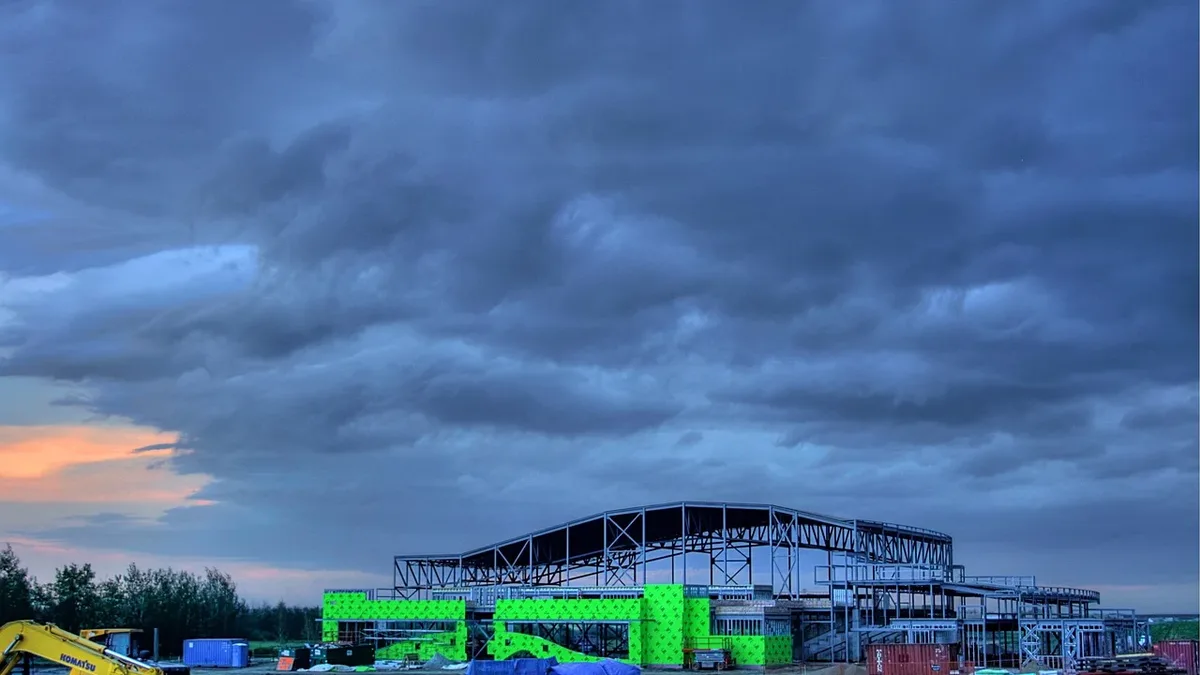
The Greenway Institute is planning a new engineering college in Montpelier, Vermont, to reinvent higher education by cutting costs and emphasizing hands-on work. It aims to open in fall 2027, teaching only engineering through a model of real-world projects and faculty mentorship.
A Response to College Closures
Mark Somerville, the founding president, said the project responds to a moment of mass extinction in higher education. Since 2016, 152 colleges and universities have closed or merged, with 442 others at risk. In Vermont alone, seven private colleges have shut down in the last decade. Somerville, former provost of Olin College of Engineering, argues this crisis makes new models essential. The Greenway Institute is a member of the Future Universities Alliance, a group of experimental institutions organized by Duke University.
The Greenway Educational Model
The institute's model removes traditional college features like extensive administration and nonacademic amenities. Students will live on campus for two years, working on projects under faculty supervision, before moving to a two-year workplace apprenticeship. They will shop for and cook their own food, plan their own activities, and use off-campus gyms. Somerville said it is not fancy but a place where you have a meaningful relationship with your faculty members.
The college tested this approach in spring 2025 with four sophomores from other schools. Instead of conventional lectures, they designed wind turbines and solar-powered traffic signals. Board chair Troy McBride said they learned electrical, mechanical and some controls by doing. Research from the University of Wisconsin-Madison and the Strada Education Foundation shows work-based learning improves job prospects and earnings, though fewer than half of students at public four-year universities get such paid experience.
Cutting Costs and Teaching Life Skills
Eliminating amenities is a direct effort to control cost. A McKinsey study found that in the ten years before the COVID-19 pandemic, spending on noninstructional services grew four times faster than spending on teaching. McBride said you see tuition going up and up and up, and not necessarily for the reasons that a student would want them to go up, like a better educational experience. A lot of it is for amenities, extras and for space sitting empty.
Having students manage meals and schedules is also an educational strategy. Annick Dewald, Greenway's first faculty member, said employers report recent graduates struggle with basics like showing up on time or feeding themselves. That is a product of how we view college or what services we provide, Dewald said. Chief of staff Hannah Root said taking prototype students on their first grocery trip was challenging due to the number of unfamiliar decisions, like whether to buy organic produce.
Funding and Founders
The institute has raised $4.5 million toward a $30 million goal by 2031, including a National Science Foundation grant shared with Elizabethtown College in Pennsylvania. It also earns money by renting unused campus space. The campus was purchased in 2023 from the Vermont College of Fine Arts, which later merged with the California Institute of the Arts. Founders and advisers include tech executives, a former Vermont secretary of education, a NASA engineer, and administrators from schools like Harvard and Dartmouth.
Students from the prototype semester praised the focus. Jazz Gonzalez, an Elizabethtown graduate, said conventional lectures left him wanting more practical application. Emmanuel Attah, another participant, said the no-frills approach goes right to the point. Gonzalez added that not having climbing walls or football games really did not matter to them.