Federal Civil Rights Data for Schools Released
The U.S. Education Department has published the delayed Civil Rights Data Collection for the 2023-24 school year, but without its usual public-friendly
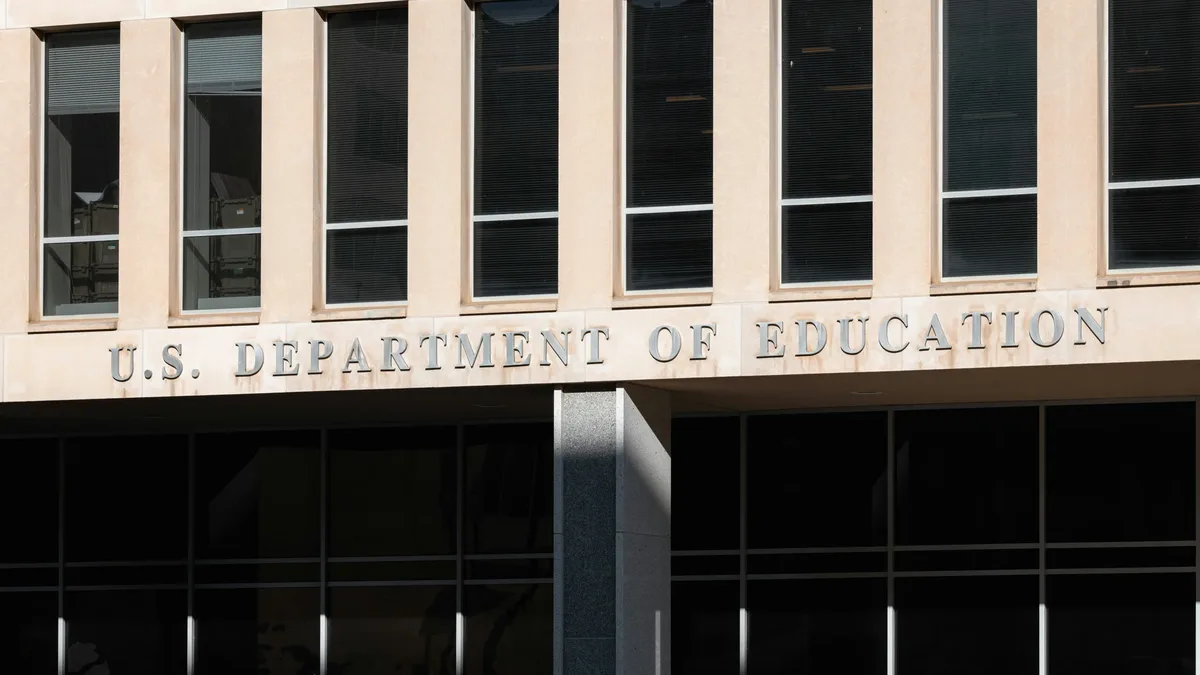
The U.S. Education Department quietly published the massive Civil Rights Data Collection for the 2023-24 school year this week. The dataset, from nearly every public school in the country, reveals disparities in student treatment based on race, disability, sex, and other factors.
While the agency typically releases this information every two years, this publication missed its own deadline from the end of last year. An Education Department spokesperson confirmed the release to NPR, stating, "The Department released the 2023-24 Civil Rights Data Collection (CRDC), and it can be found here." The spokesperson added that the Office for Civil Rights (OCR) would release more data and materials in the coming weeks but provided no specifics.
The Trump administration did not answer questions about the delay. Advocates suggest staff cuts and reorganization at OCR may have contributed. After the second Trump administration took office, OCR cut its staff by half and announced a planned move to the Justice Department.
Missing Public-Facing Report
In a significant departure from past practice, the release did not include a "First Look Report." For over a decade, this report provided a simplified, accessible format of the data for the public alongside raw files for researchers.
Catherine Lhamon, who led OCR under Presidents Obama and Biden, criticized the move. "I'm glad that the Office for Civil Rights did still collect the data and did still clean it up and publish it for data scientists," Lhamon said. "But it didn't make it usable for somebody's mom to be able to see what's happening in a school community."
Ivy Morgan, director of P-12 research at the advocacy group EdTrust, echoed this concern. "The public has come to expect that CRDC releases include easily digestible national statistics that shows disparities," Morgan said. "Hiding the data this way is part of this administration's pattern of attacking research, data and evidence."
New Data and Suppressed Categories
Maithreyi Gopalan, a professor at the University of Oregon analyzing the files, noted the 2023-24 collection introduced new information on teacher retention, preschooler evaluations, and student access to Wi-Fi devices. Gopalan said the data files appear to be of similar quality to past releases.
However, she was struck by the quiet release, the missing report, and suppressed data. The 2023-24 report was set to be the first to include data on nonbinary students, but the Education Department stripped that information from all 37 released files. The department cited a Trump executive order declaring the federal government would only recognize two sexes.
"I think it's a lost opportunity," Gopalan said, noting other datasets show nonbinary students face higher rates of mental health concerns and bullying. The Trump administration has also eliminated the nonbinary student category and references to gender identity from the forthcoming 2025-26 collection survey.
How the Data Is Used
The CRDC has existed for over fifty years but was made significantly more public-facing during the first Obama administration. Catherine Lhamon credited former assistant secretary Russlynn Ali for that change. Ali said in a 2012 statement, "Transparency is the first step toward reform and for districts that want to do the right thing, the CRDC is an incredible source of information."
The data has been a tool for advocacy and policy. Daniel Losen, a researcher at the National Center for Youth Law, said he has used it in work with districts addressing large disparities in school discipline. "Thousands of schools have cops but no counselors. We know this from the CRDC which counts both down to the school level," Losen said.
Findings have also inspired legislation. Democratic Sen. Cory Booker of New Jersey used CRDC data showing unequal access to craft a bill proposing expanded access to Advanced Placement courses for underrepresented students. Researchers are now working to analyze the new dataset and plan to make their findings accessible on their own websites in the coming days.