Detroit schools post gains on 2026 M-STEP
The Detroit Public Schools Community District saw small year-over-year gains in reading, writing, and math on the 2026 M-STEP, reaching a 12-year high in
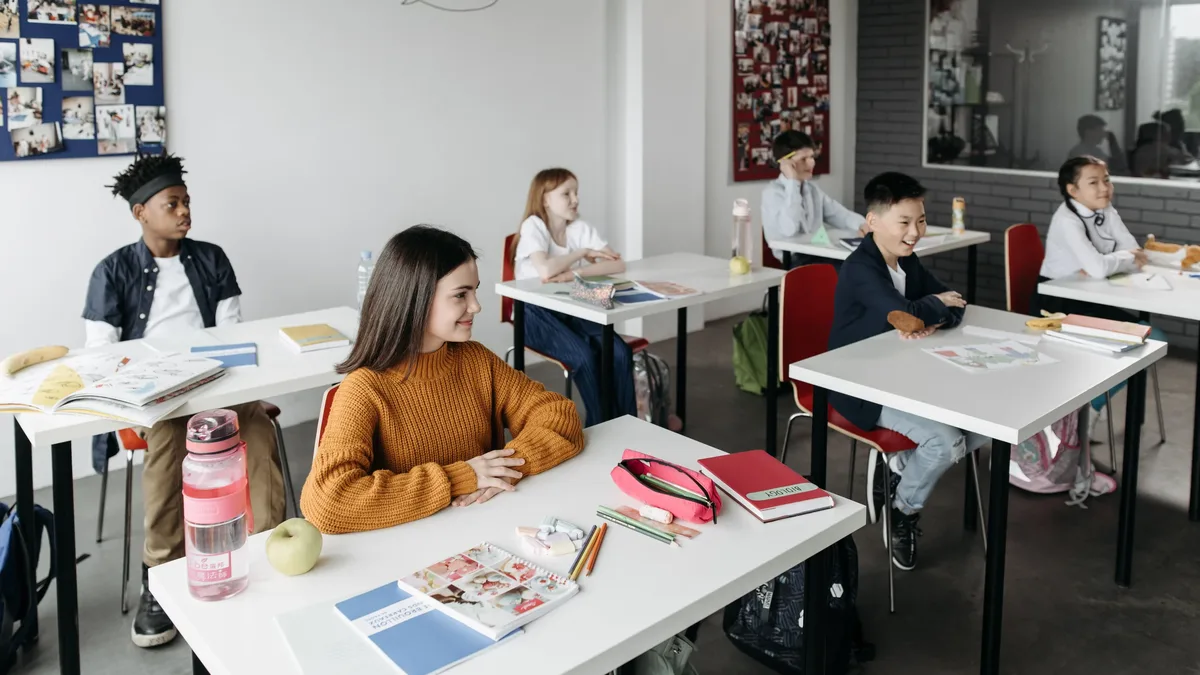
The Detroit Public Schools Community District made small gains in reading, writing, and math across nearly all grades on last spring's state tests. Results released on Friday show the district hit a 12-year high in the share of third graders scoring proficient or above in reading and writing.
Students in the district still perform far below the Michigan average. For instance, 14.1% of DPSCD third graders scored proficient or better on the 2025-26 exam, compared to 38.2% of students statewide.
Superintendent Nikolai Vitti stated the results, many representing all-time highs for DPSCD, reflect a broader trend of improvement. "While students across the state (and country) continue to regress academically, our students are improving," Vitti said. He added the district must continue to refine and scale its success, especially in literacy.
Board chair LaTrice McClendon called the math growth encouraging but said literacy needs stronger gains. "We are not finished," she said. "Detroit’s children deserve nothing less, and we will not rest until they get it."
Researchers see signs of systemic turnaround
Researchers point to long-term improvements on the exams and data showing fast student growth as indicators the district is making significant strides. Tara Kilbride, associate director of the Education Policy Innovation Collaborative at Michigan State University, said progress across all M-STEP areas over time suggests a systemic change.
"That tells me that the improvements are likely not only an anomaly," Kilbride added.
Jeremy Singer, an assistant professor at the University of Michigan-Flint, noted that Detroit students often start far behind peers in wealthier communities due to poverty and systemic racism. "If a student is making a lot of progress every year and they are learning at an accelerated rate, they may still not cross proficiency," said Singer.
Kilbride acknowledged, "That doesn’t mean the lower levels of proficiency aren’t something we should be concerned about."
Detailed results show pandemic-era recovery
Compared to spring 2019, the last normal testing year before the pandemic, DPSCD showed noticeable improvements in every subject and grade. The year-over-year growth was smaller in early literacy. A slight dip in sixth-grade proficiency is partly attributed to unfinished learning from their pandemic-disrupted kindergarten year.
Superintendent Vitti highlighted that the seventh-grade cohort continues to demonstrate large achievement strides. On the SAT, also released Friday, 35.1% of students met English benchmarks and 15.7% met math benchmarks. Compared to spring 2019, these figures rose by 6.6 and 4.3 percentage points, respectively.
Vitti said the district anticipates more SAT growth with smaller classes and more intervention for current ninth graders as part of a high school redesign. Jeremy Singer argued that measuring student progress across a school year gives a clearer picture than a single test day. A recent analysis called The Education Scorecard suggests DPSCD is among the best similar districts nationally for the speed of student learning per year.
District credits targeted investments and support
Vitti told Chalkbeat the district's academic improvements stem from investments in certified teachers, evidence-based curriculum, student interventions, and wraparound services. "We also have clear targets and stretch targets at the district and school level to hold one another accountable," he said.
DPSCD has used a large portion of its $94.4 million "right to read" lawsuit settlement to support students below grade level, hiring hundreds of interventionists and contracting more tutoring services. As these funds must be spent this school year, Vitti said difficult budget decisions may be needed to retain interventionists.
Imani Build of the equity nonprofit 482Forward believes the targeted support has helped but said more time is needed to see the full effect. "I think in five years we can look and see if the incremental change marked sustainable change," she said.
In math, Vitti said teachers and students are growing more familiar with a curriculum focused on the "why"behind math, not only procedures. Younger students exposed to this curriculum earlier are outperforming older peers, he noted."proof of concept"for sticking with good curriculum and training. Parent and consultant Maria Montoya emphasized consistency is key for continued improvement."My best hypothesis would be that it was a combination of coordinated support and strategies rather than one particular thing," said Kilbride.