Cursive Handwriting Returns to Over 25 States
More than 25 states now require cursive instruction in schools, a reversal after decades of decline. Lawmakers cite historical literacy and modern concerns like AI detection as reasons for the mandates, though the educational benefits are debated.
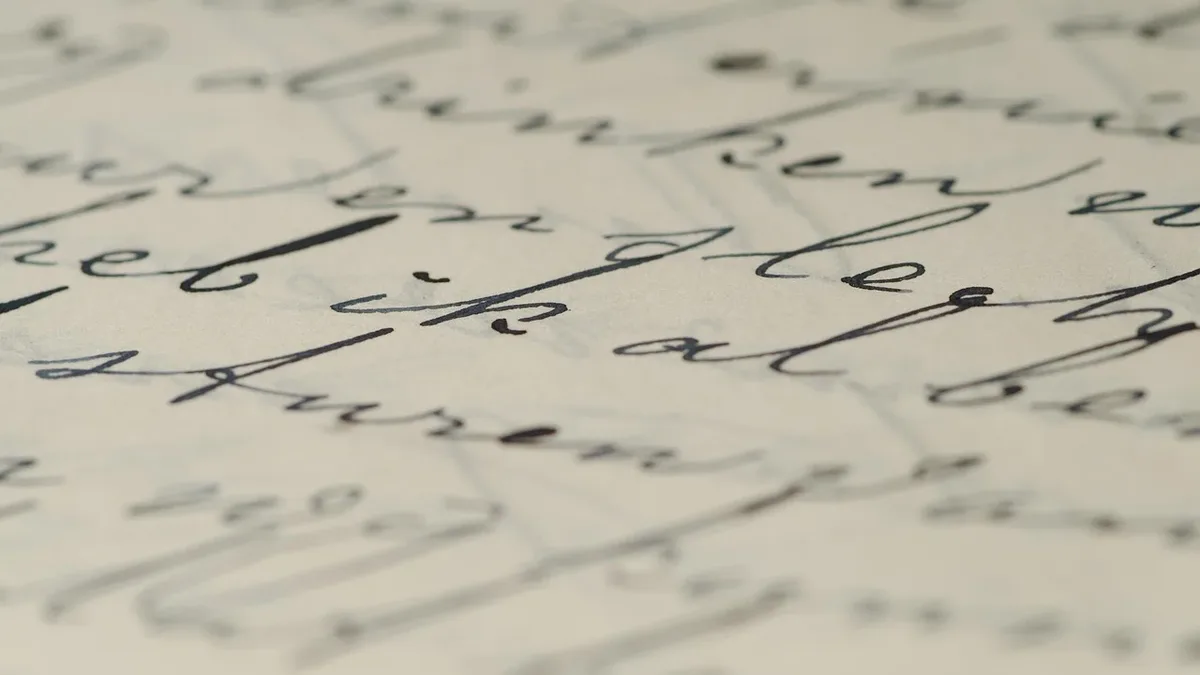
More than 25 states currently mandate that students learn cursive handwriting. This marks a significant policy shift after instruction dwindled for decades, largely displaced by keyboarding skills and crowded curricula.
Cursive was once a staple of American education. In the first half of the 20th century, penmanship was a distinct subject, with children sometimes spending 45 minutes daily on it. Students typically learned print writing in early grades before cursive was introduced around third grade.
The Decline and Return
Instructional time for cursive fell sharply by the 1980s, dropping to 30-60 minutes per week in some schools. The standards-based movement of the 1990s and the rise of computers further squeezed it out. The widespread adoption of the Common Core standards between 2009 and 2014 emphasized keyboard proficiency, leaving little room for cursive.
The pendulum began swinging back in the early 2010s. North Carolina passed the first cursive law in 2013, requiring students to read and write cursive by fifth grade and to memorize multiplication tables. By 2015, 14 other states had similar requirements. As of 2026, the number exceeds 25, including Pennsylvania, Florida, California, and Michigan.
Lawmakers offer varied justifications. Pennsylvania and Florida legislators argue citizens need cursive to read historical documents. A Michigan representative suggested it is essential for preserving family history, citing a granddaughter who could read a cursive letter from her late father.
A California assembly member proposed cursive could help verify student work was not produced by artificial intelligence.
Potential Benefits and Practical Hurdles
Research cited in the report suggests potential benefits. A 2020 Norwegian study found writing in cursive activates brain waves and neural pathways linked to learning and memory. Cursive is also associated with better outcomes for students with dyslexia and dysgraphia.
Other studies indicate it may improve writing fluency, with first graders in Portugal who learned cursive writing in longer "bursts." A 2019 study of 141 first graders found those taught cursive read better by year's end than classmates who were not.
However, the science is contested. While evidence shows handwriting beats typing for learning, it is less clear if cursive outperforms print. Much cited brain research may have been conducted on children printing, not writing in cursive.
Practical challenges remain. Many current and future teachers never learned cursive themselves, complicating instruction. Teaching it properly can consume roughly 70 minutes of weekly class time. Fitting this into packed school schedules is difficult, and not every child enjoys the task. The effort required to engage young students in forming cursive letters, like a capital G, is significant.
States are now tasked with implementing these mandates amid ongoing debates over the skill's modern relevance and educational value.
Source: The 74