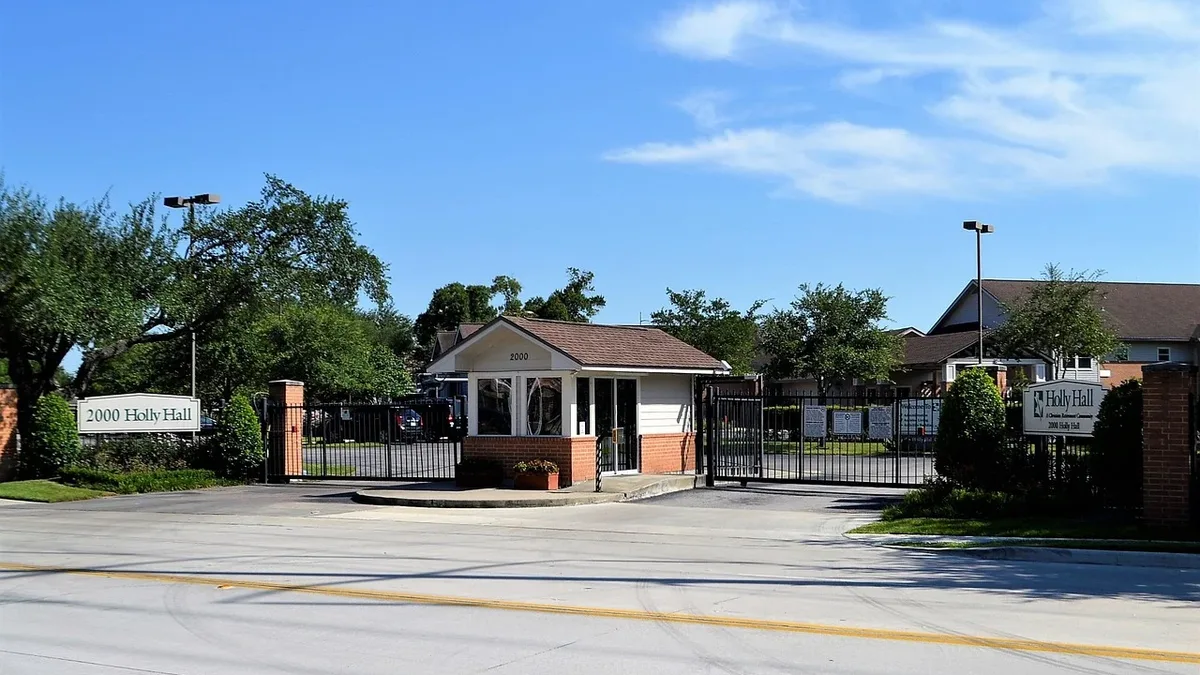
Commerce City's free workforce program informs Colorado's
A temporary, tuition-free workforce training program in Commerce City is providing Colorado officials with early insights into demand and logistics as they
About 120 students have enrolled in Commerce City's temporary, tuition-free workforce training program since its launch last year. The Commerce City Promise program, funded by federal pandemic relief money, offers short-term courses in healthcare, manufacturing, and information technology through the Community College of Aurora.
Natalia Antezana, a senior economic vitality specialist with Raise Commerce, said residents embraced the opportunity to learn new skills for better-paying jobs. The program, which will end this year, started in May 2025 after the city allocated roughly $500,000 from a larger federal grant for resident education and economic growth.
A Model for Federal Workforce Pell
The city's experiment offers a preview of the potential demand and operational work required for the new federal Workforce Pell program. Starting this past July, Workforce Pell will allow eligible students to use Pell grants-which do not require repayment-for certain short-term training programs. Colorado officials are now tasked with determining which state programs will qualify.
Jim DeLung, CCA’s associate vice president of workforce, said the collaboration needed to launch Commerce City Promise will serve as a foundation for Workforce Pell. He believes the early enrollment results and groundwork can help officials create and tailor eligible certificate programs.
Building the Program Through Partnerships
Launching Commerce City Promise required a coalition of local organizations. The Community College of Aurora provided the courses, while Adams County School District 14 offered city facilities for classes. Nonprofit Centro de los Trabajadores helped with family outreach.
The Rocky Mountain Partnership Cradle to Career analyzed labor market data, and local chamber of commerce officials connected the city and college with business partners. DeLung described the teamwork as essential, saying it "put all of the puzzle pieces together."
Federal Standards and State Implementation
For a Colorado program to be included in Workforce Pell, it must be accredited, have a documented state history, and help graduates earn higher incomes. Certificate programs must also demonstrate high completion and job placement rates. The federal program is projected to serve about 187,000 students nationwide annually, with awards averaging $2,200 per student for programs lasting eight to 15 weeks.
| Program Aspect | Federal Workforce Pell Standard |
|---|---|
| Program Duration | 8 to 15 weeks |
| Estimated Annual Students Nationwide | About 187,000 |
| Average Award per Student | $2,200 |
It remains unclear how many of the Community College of Aurora's programs will ultimately qualify. DeLung noted that some existing programs are either too short or too long to meet the new federal standards. However, the data and experience from Commerce City Promise will help the college understand what is effective.
Tracking Outcomes and Ensuring Compliance
The Aurora college is now collecting data on whether Commerce City Promise graduates have found jobs, building a process to track job placement. With regular review and approval expected for Pell programs, compliance is a major concern. "It’s high stakes, and you don’t want to fall out of compliance," DeLung said.
The program's end this year coincides with the state's ongoing effort to align short-term training with new federal funding, using its pilot experience as a guide.